The Oldest Birds of All Time: Ancient Avian Species That Dominated Prehistoric Skies
Most people think birds live short lives compared to humans, but some feathered creatures have amazed scientists with their incredible lifespans. Several bird species have been documented living well beyond what most people expect, with some individuals reaching ages of 70, 80, or even over 100 years old. These remarkable birds challenge our understanding of animal aging and show just how long some species can survive in the wild and captivity.
The oldest birds on record include famous parrots, albatrosses, and other species that have become legends in the bird world. From cockatoos that witnessed multiple human generations to albatrosses still breeding in their golden years, these ancient birds have fascinating stories to tell. Their long lives also give scientists important clues about bird biology, evolution, and what helps certain species live so much longer than others.
1) Cockatoo named Cocky Bennett – lived 120 years
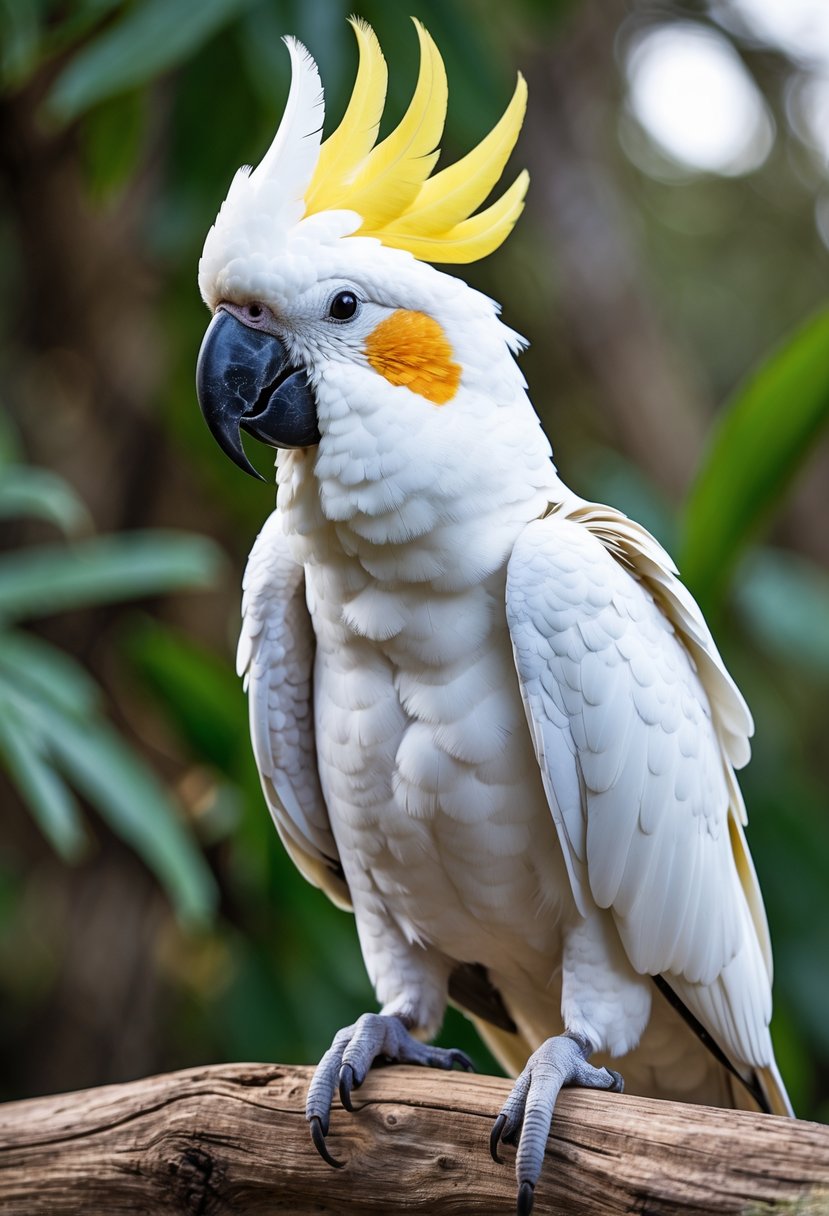
Cocky Bennett was a sulphur-crested cockatoo from Sydney, Australia. He lived from 1796 to 1916.
This bird reached 120 years old when he died. Most cockatoos live up to 80 years.
Cocky Bennett became famous for his long life and funny sayings. He was known for being foul-mouthed and entertaining.
In his old age, he lost most of his feathers. His beak grew very long and his skin became wrinkled.
2) Wisdom the Laysan albatross – nearly 70 years old and still laying eggs
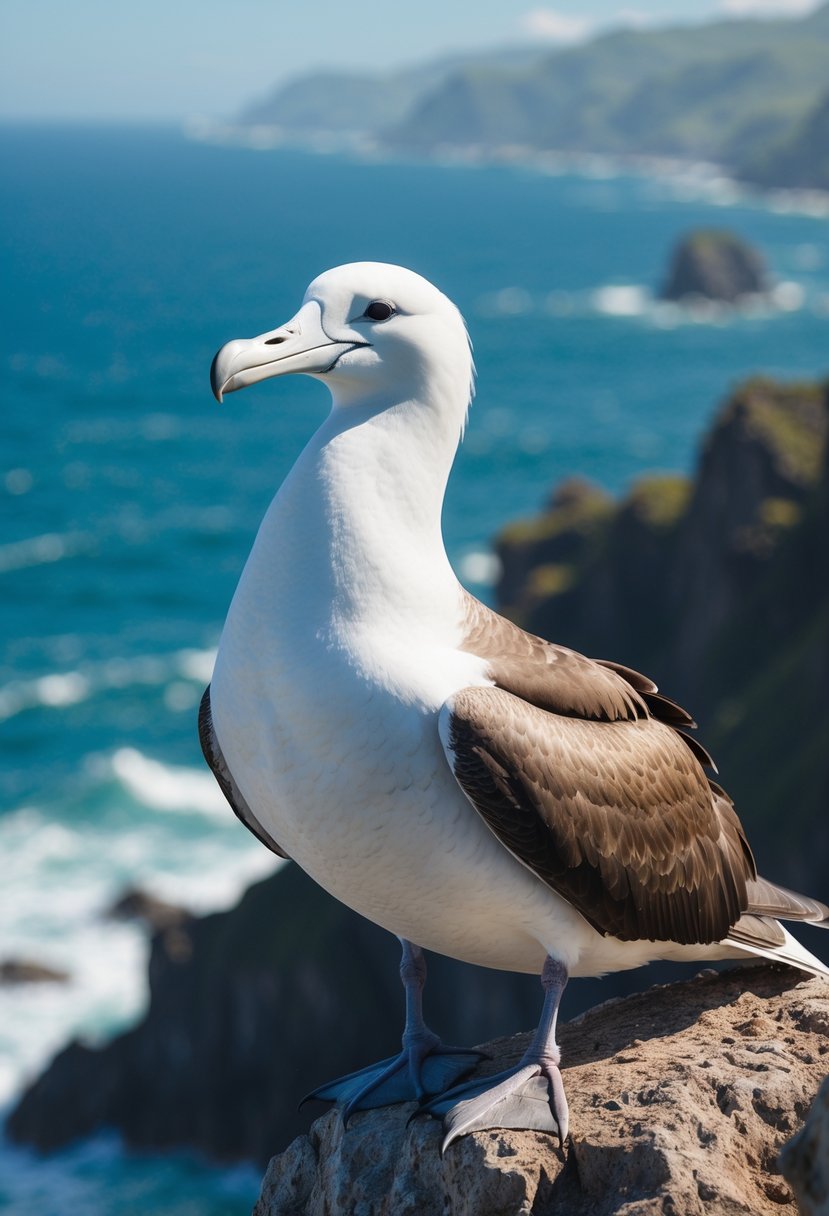
Wisdom is a Laysan albatross who holds the record as the world’s oldest known wild bird. She is at least 74 years old.
Scientists first tagged Wisdom in 1956 at Midway Atoll National Wildlife Refuge. At that time, she was about five years old.
Recently, Wisdom laid an egg after four years without breeding. This shows her remarkable strength at her advanced age.
During her long life, Wisdom has flown over 3 million miles and raised about 30 chicks.
3) An albatross recorded living over 70 years
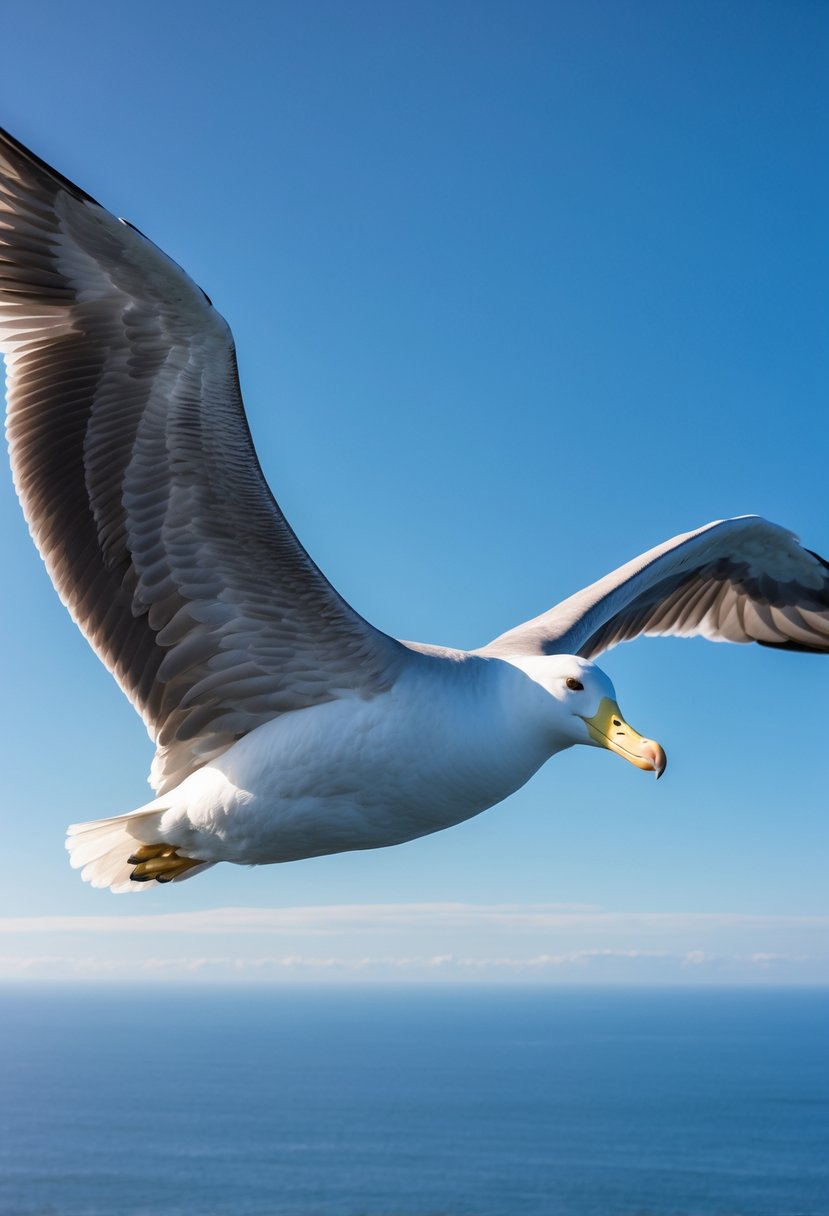
Wisdom is a Laysan albatross that holds the record as the world’s oldest known wild bird. Scientists first banded her in 1956 when she was at least five years old.
This means Wisdom is now at least 74 years old. Most Laysan albatrosses live only about 40 years, but Wisdom has nearly doubled that lifespan.
She continues to lay eggs and raise chicks at her advanced age. Wisdom has hatched around 40 chicks during her lifetime at Midway Atoll National Wildlife Refuge.
4) A kakapo parrot known to exceed 90 years
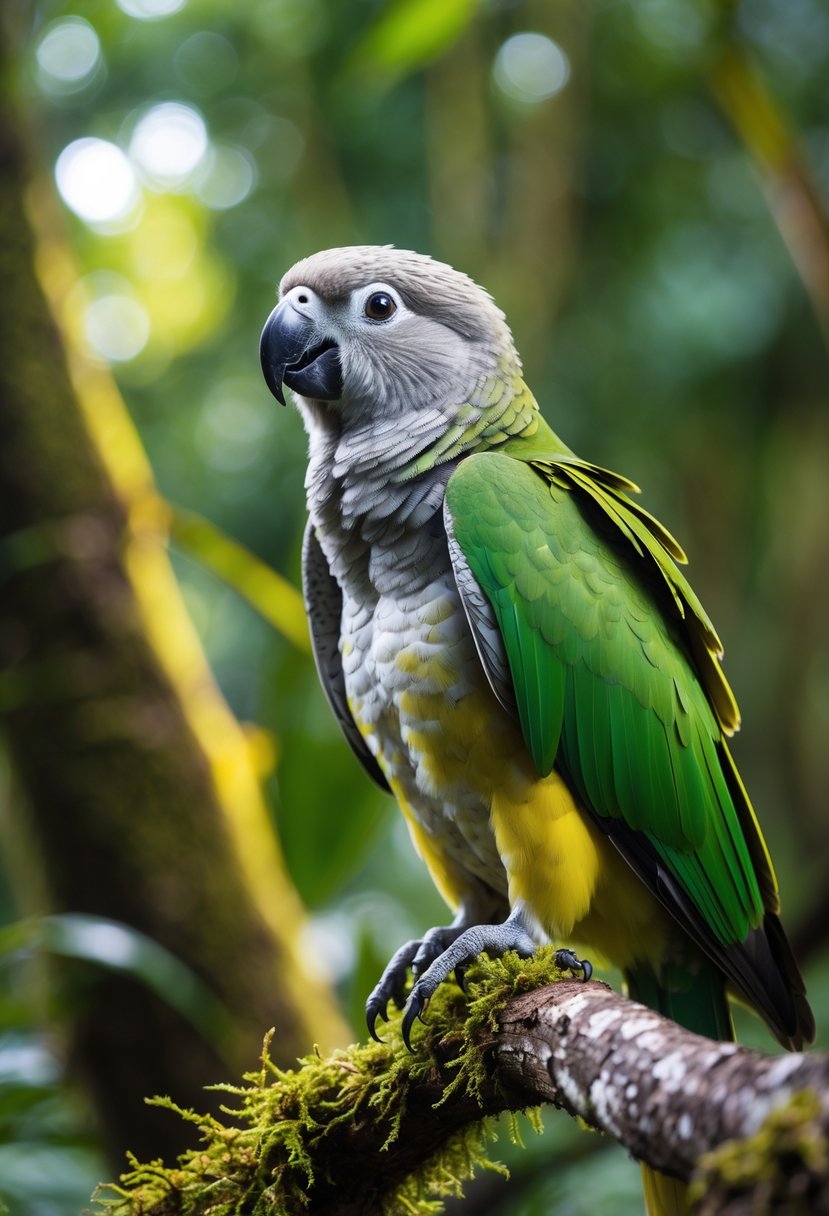
The kakapo is one of the longest-living birds on Earth. These flightless parrots from New Zealand can live up to 90 years or more.
Kakapos are nocturnal birds that cannot fly. They are the world’s heaviest parrots and live on the ground.
Their long lifespan comes from their slow metabolism and plant-based diet. Living on islands with few predators also helps them survive longer.
These rare birds are critically endangered. Conservation efforts work to protect the remaining kakapo population in New Zealand.
5) A magpie that lived over 30 years in captivity
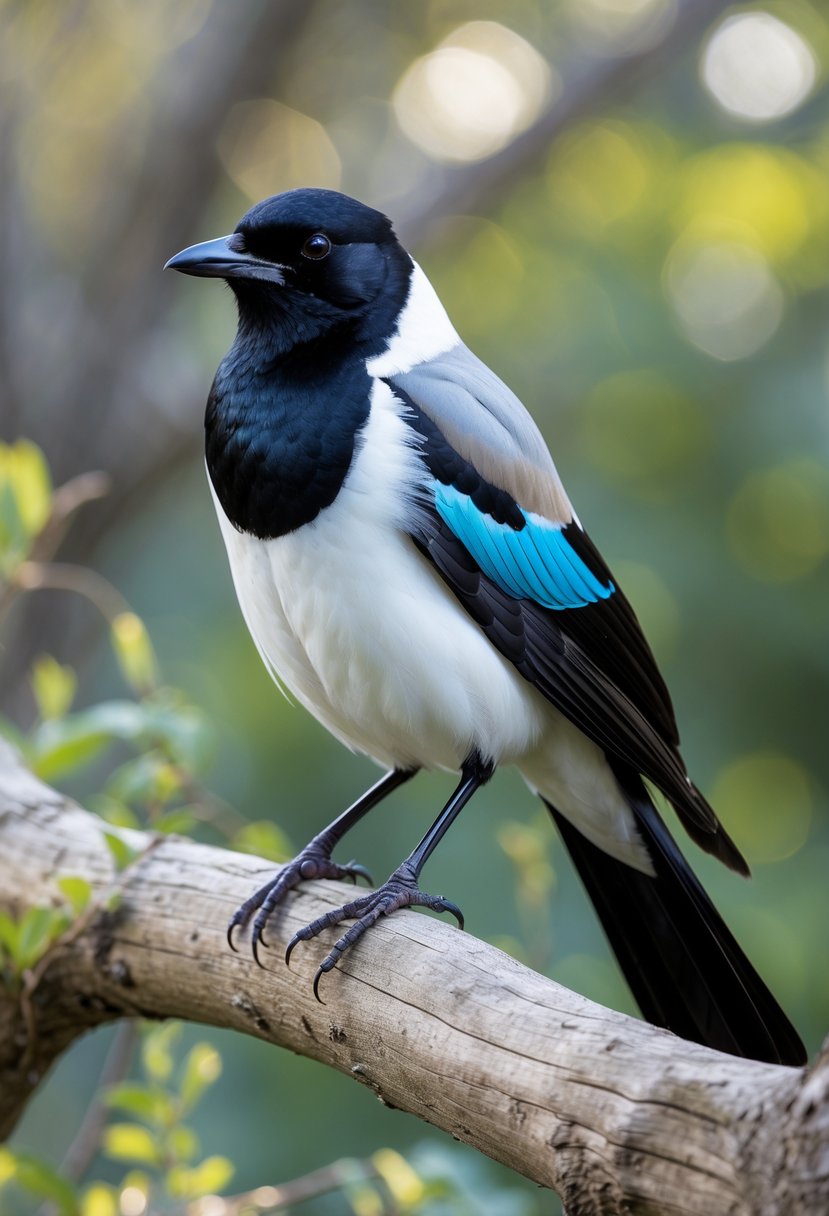
Magpies can live much longer in captivity than in the wild. Australian magpies have been recorded living over 30 years when kept in controlled environments.
In captivity, magpies are protected from predators and have steady food sources. This safe environment helps them reach their maximum lifespan potential.
Wild magpies typically live only 3 to 6 years due to various dangers. The protected captive setting allows these intelligent birds to thrive for decades longer than their wild counterparts.
6) An Andean condor with lifespan near 75 years
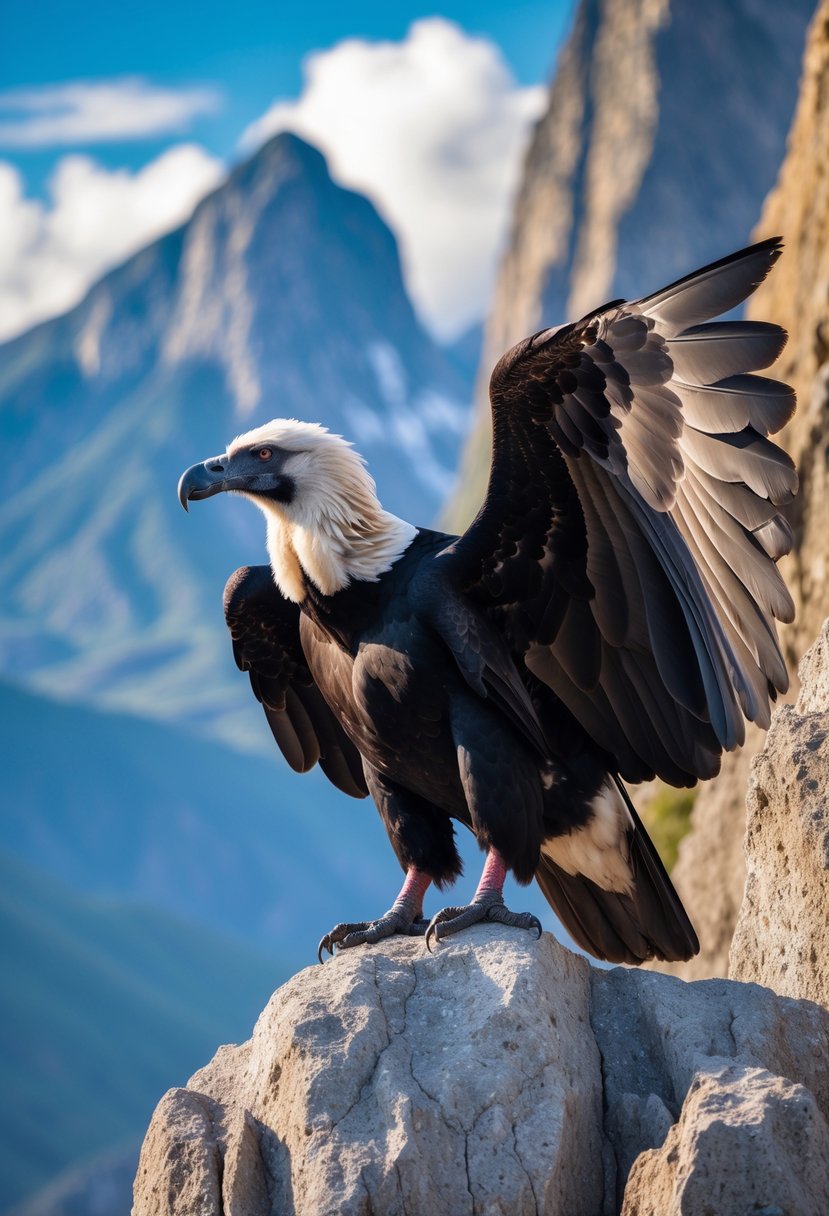
The Andean condor stands out as one of the longest-living birds on Earth. These massive vultures can live up to 75 years in the wild.
In captivity, they often live even longer. The oldest recorded Andean condor was named Thaao. He lived to be 79 years old at Beardsley Zoo before dying in 2010.
Wild Andean condors typically live 50 to 70 years. Their slow reproduction helps them maintain good health throughout their long lives.
7) A macaw parrot living beyond 80 years
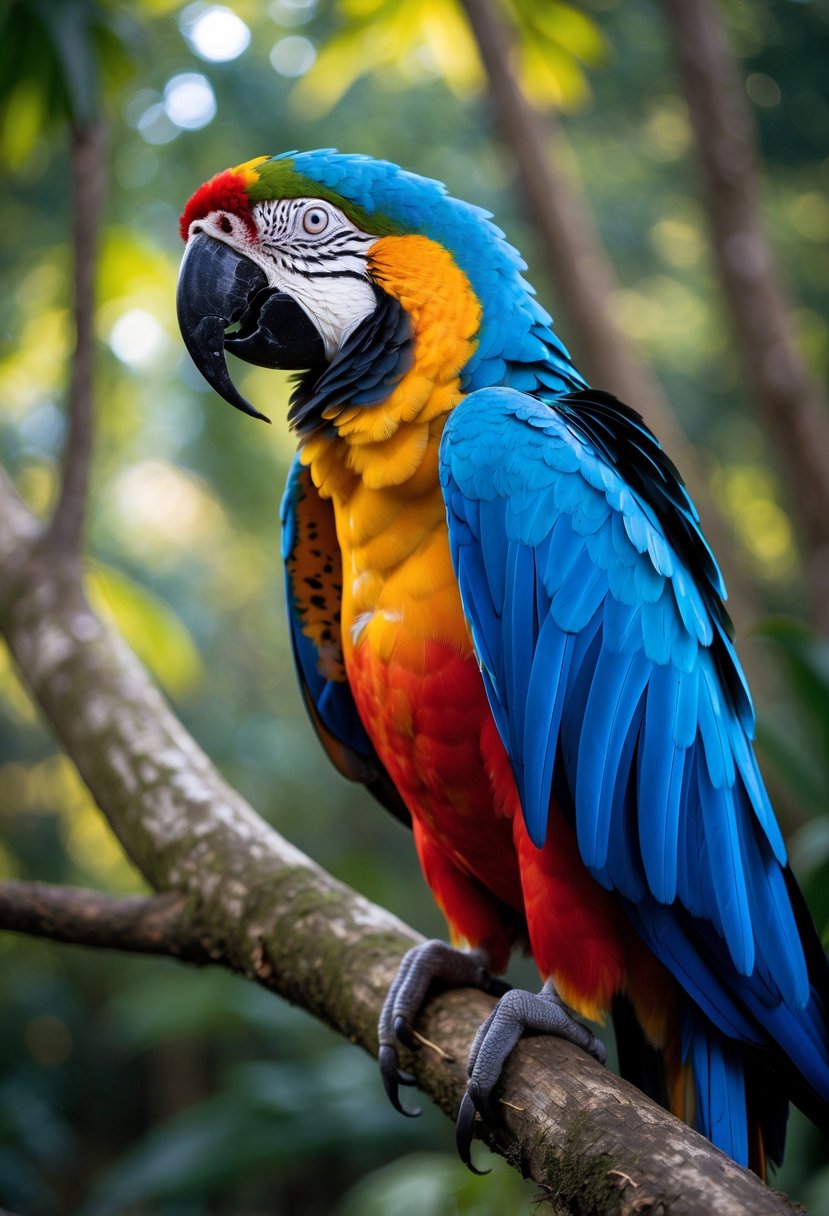
Charlie, a blue-and-yellow macaw, lived to be 114 years old. This made her one of the world’s oldest known parrots.
Blue-and-yellow macaws can live up to 60 years or more in captivity. Some macaws have been documented living over 80 years.
Several factors affect how long macaws live. These include genetics, diet, and living conditions. Proper care helps these birds reach their maximum lifespan.
8) A flamingo with a documented age over 50 years
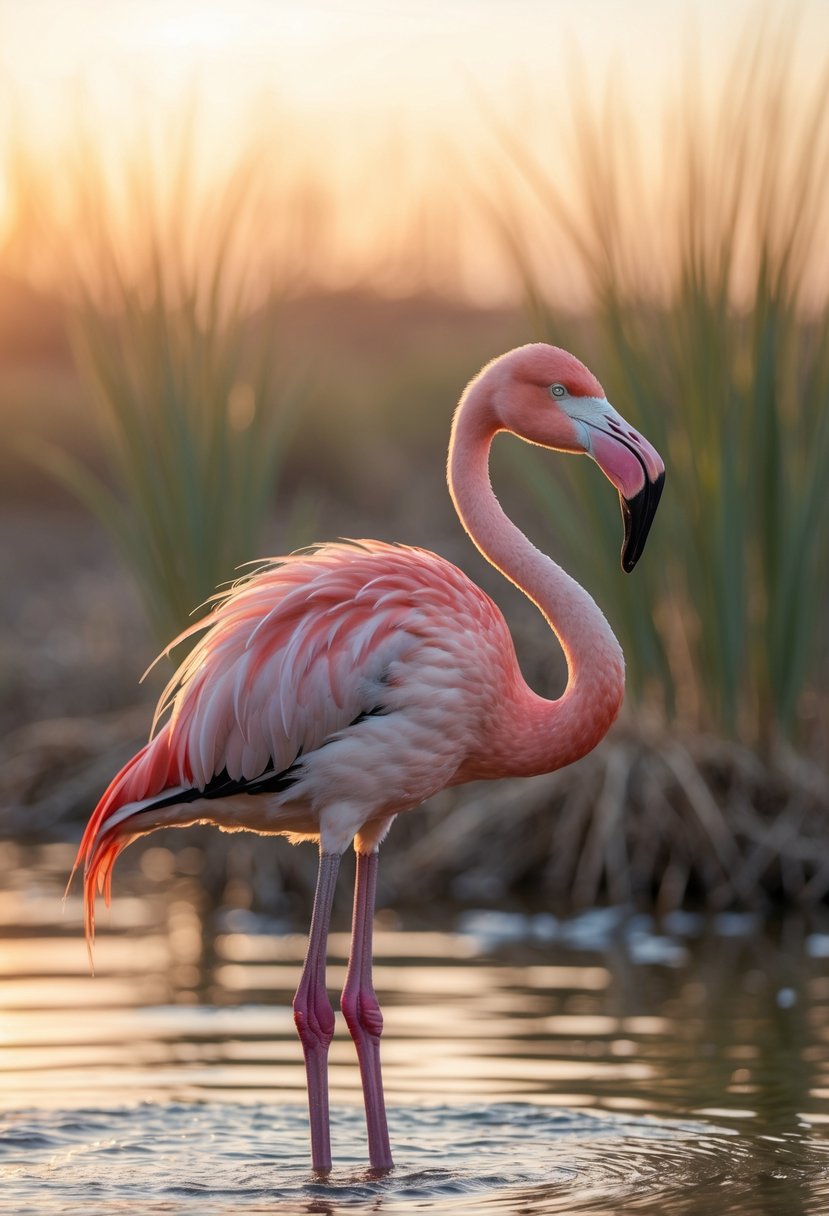
Greater was a greater flamingo who lived at Adelaide Zoo in Australia. This bird reached 83 years old before dying in January 2014.
Greater arrived at the zoo in 1933. The flamingo lived there for over 80 years.
Zoo staff had to put Greater to sleep due to health problems from old age. This flamingo holds the record as the oldest known flamingo ever.
Wild flamingos typically live about 30 years. Greater’s long life in captivity was very unusual.
9) A cockatiel that reached 30 years old
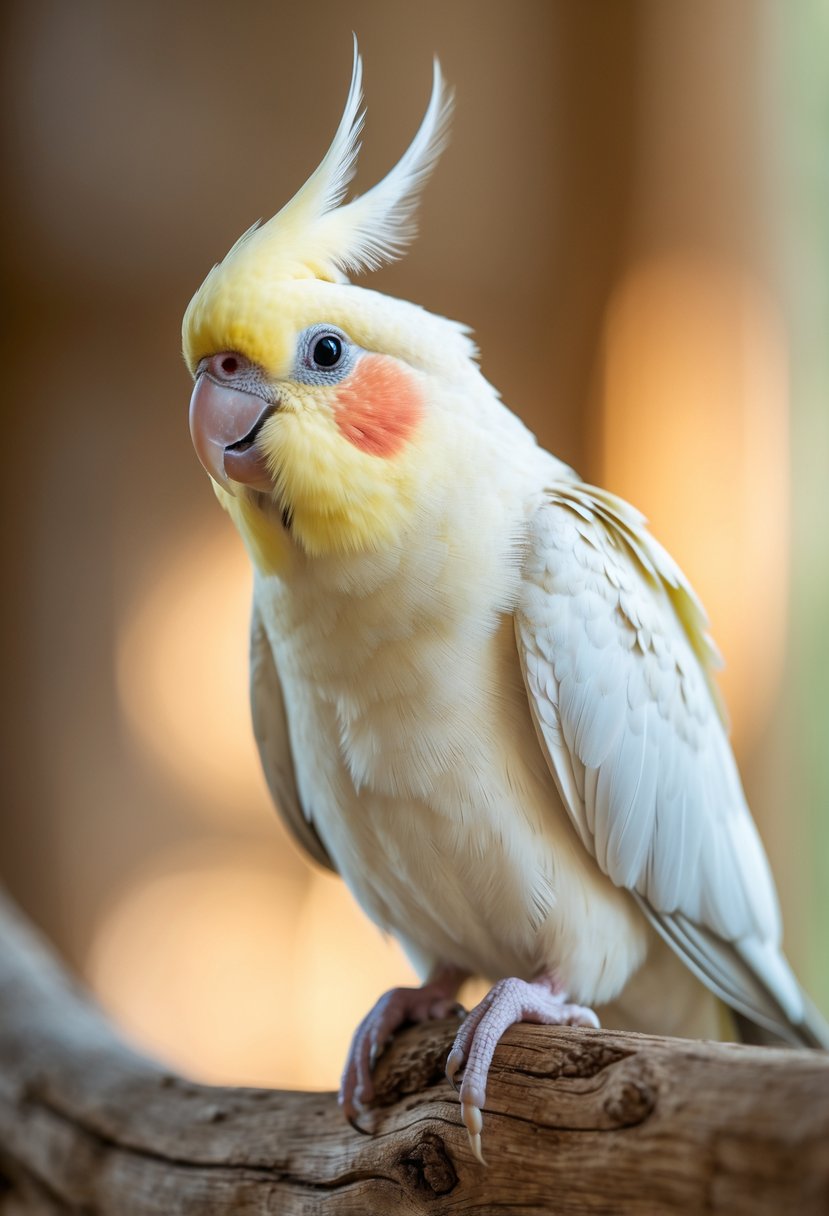
A pet cockatiel named Pia made headlines when it reached 30 years old. The bird was recognized as the world’s oldest cockatiel at the time.
Despite its advanced age, Pia still had bright yellow and white feathers. Like many older animals, the bird showed some signs of aging including partial blindness and slight baldness.
Pia also slept more than younger cockatiels. This case shows that cockatiels can live well beyond their typical 15 to 20 year lifespan with proper care.
10) A grey parrot known to live more than 70 years
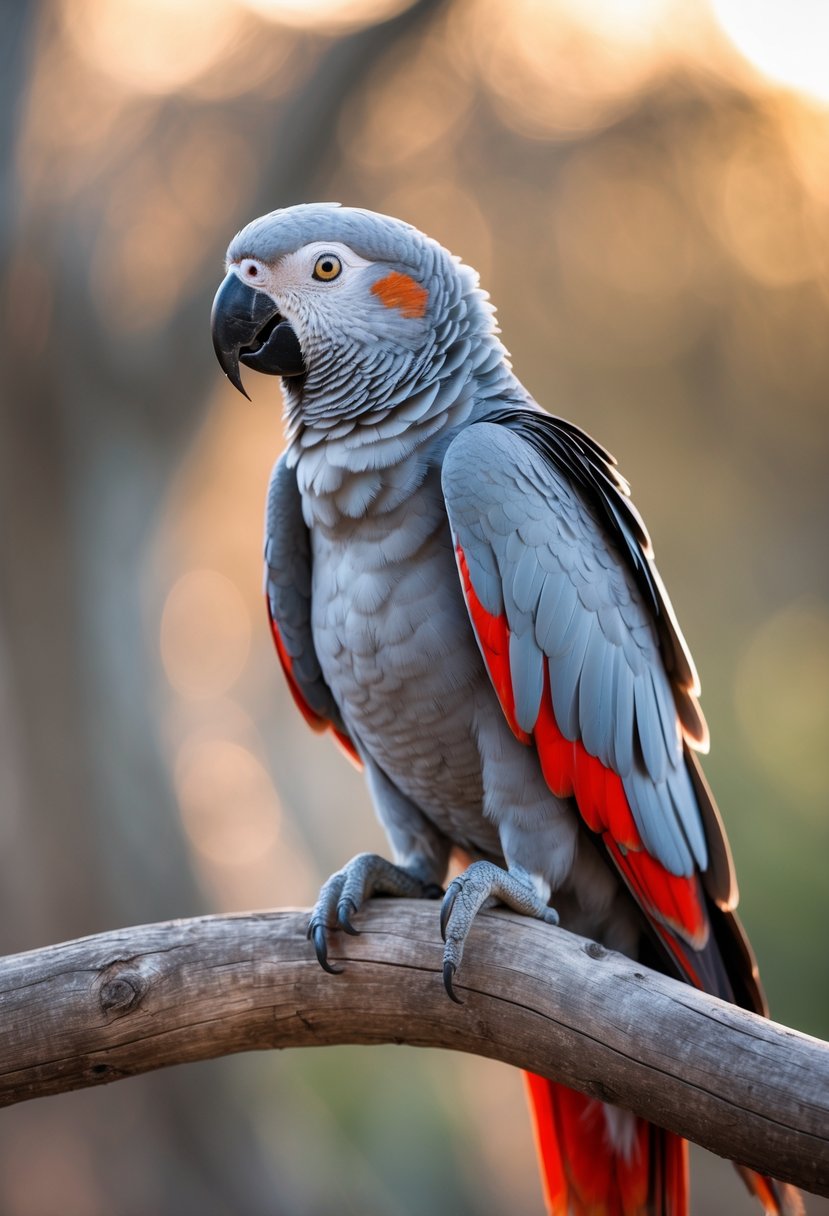
African Grey parrots are famous for their long lives. These smart birds can live much longer than most pets.
Cookie was an African Grey parrot who lived to be 82 years old. He holds the record as the oldest parrot ever recorded.
Another African Grey named Coco lived over 70 years. His long life amazed bird experts around the world.
These parrots can reach such old ages with good care and proper food.
Evolutionary Significance of Ancient Birds
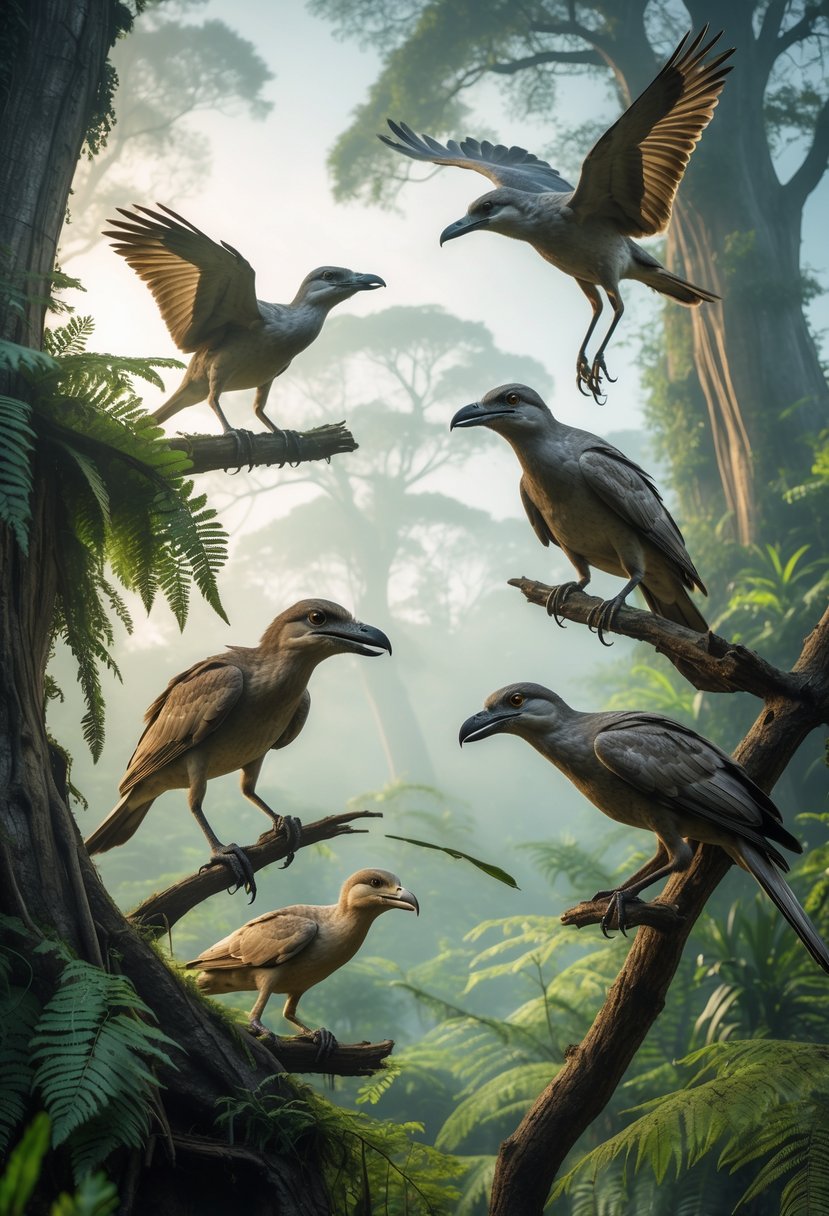
Ancient bird fossils provide crucial evidence about how modern birds evolved from dinosaurs and developed flight. These prehistoric species show key physical differences that reveal the step-by-step changes that led to today’s birds.
What Fossil Birds Reveal About Avian Origins
Fossil discoveries have revolutionized scientists’ understanding of bird evolution. Aurornis xui, dated to 160 million years ago, predates the famous Archaeopteryx by 10 million years. This makes it one of the oldest known bird ancestors.
Archaeopteryx remains significant as a “missing link” between dinosaurs and birds. Found in Jurassic rocks, it shows early flight evolution. The fossil has both bird-like and reptilian features.
These ancient birds prove that modern birds are actually dinosaurs themselves. Birds evolved from a specific group of dinosaurs during the Triassic Period, around 252 to 201 million years ago.
Key traits that developed early in bird evolution include:
- Lightweight skeletal structure
- Bipedal movement
- Feathers for insulation and flight
- Hollow bones
Fossil evidence shows that bird-like characteristics appeared gradually over millions of years. This helped early birds adapt to flight and tree-dwelling lifestyles.
Key Differences Between Ancient and Modern Birds
Ancient birds retained many reptilian features that modern birds have lost. Early species had teeth, long bony tails, and clawed fingers on their wings. These holdovers from their dinosaur ancestors provided important survival advantages.
Modern birds show significant changes from their prehistoric relatives. They developed beaks instead of teeth, shortened tail bones, and fused wing bones for better flight control.
The skeletal structure changed dramatically over time. Ancient birds had:
- Heavy, solid bones
- Separate finger bones in wings
- Long vertebrate tails with many bones
Modern birds evolved:
- Hollow, lightweight bones
- Fused wing structures
- Short, stubby tail bones called pygostyle
Brain size and cognitive abilities also increased significantly. While Archaeopteryx had basic bird-like traits 150 million years ago, modern birds display complex problem-solving skills and advanced behaviors that ancient species lacked.
Ancient Bird Habitats and Adaptations
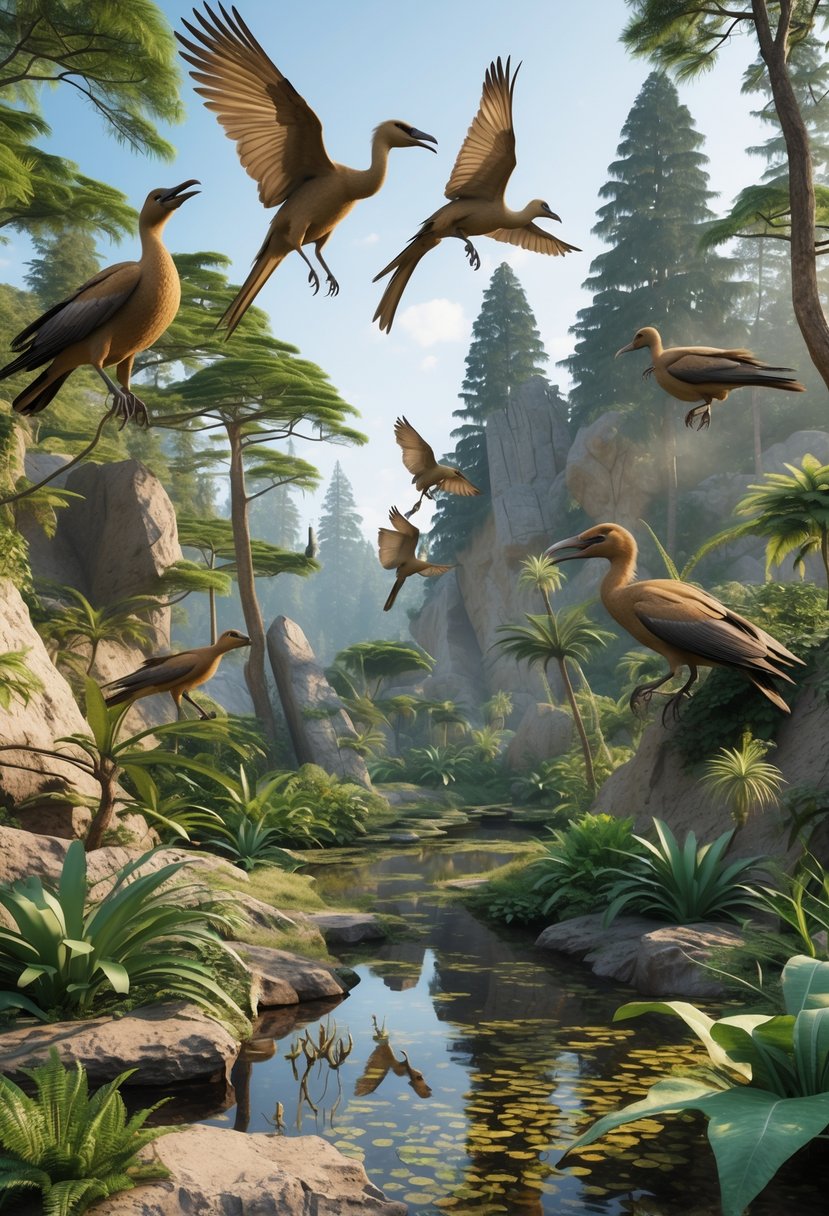
Ancient birds lived in diverse environments that shaped their evolution over millions of years. These early species developed unique flight patterns and body structures that helped them survive in changing ecosystems during the Mesozoic Era.
Mesozoic Ecosystems and Bird Survival
The Cretaceous Period created the perfect conditions for early bird evolution. Dense forests covered much of the Earth, with tall coniferous trees and flowering plants providing new food sources.
Ancient birds found homes in three main habitat types:
- Arboreal environments: Tree-dwelling species developed strong claws for gripping branches
- Coastal regions: Shore birds evolved long beaks for catching fish and marine invertebrates
- Open woodlands: Ground-dwelling species grew powerful legs for running and foraging
Temperature swings during this period forced birds to adapt quickly. Some species developed thicker feather layers for insulation. Others migrated to warmer regions when seasons changed.
The abundance of insects and small mammals gave birds plenty of food choices. This variety helped different bird groups specialize in specific diets and hunting methods.
Early Flight Strategies and Morphological Adaptations
The first flying birds used gliding more than powered flight. They launched themselves from trees and rode air currents to move between feeding areas.
Key structural changes included:
| Adaptation | Purpose |
|---|---|
| Hollow bones | Reduced body weight |
| Keeled sternum | Anchored flight muscles |
| Asymmetric feathers | Improved lift control |
Early birds developed two main flight styles. Flapping flight required strong chest muscles and frequent energy bursts. Soaring flight used thermal currents and needed less muscle power.
Wing shapes varied based on habitat needs. Forest birds had shorter, rounder wings for quick turns between trees. Open-area species grew longer, narrower wings for efficient long-distance travel.
Tail feathers became crucial for steering and braking during flight. Species that lived in dense vegetation developed fan-shaped tails for better control in tight spaces.