7 Birds With Long Necks That Dominate Wetlands and Grasslands Worldwide
Birds come in many different shapes and sizes across the world. Some have short, compact necks while others have developed remarkably long necks that help them survive in their environments.
Long necks help birds catch food, spot danger, and move easily through their habitats. These special birds include flamingos, swans, pelicans, and several types of herons and cranes. Each species has adapted its long neck for different reasons, from reaching deep water to finding food in tall grass.
1) Greater Flamingo
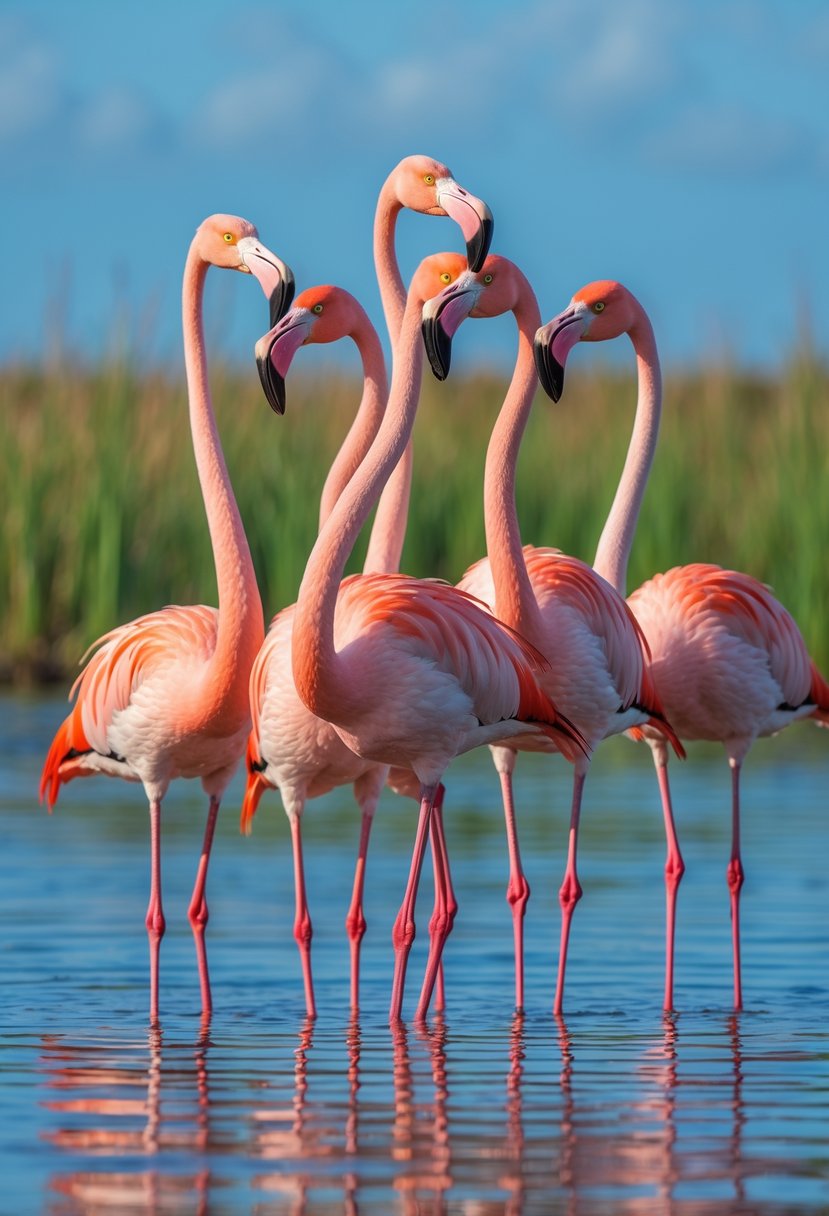
The greater flamingo is the largest member of the flamingo family. It stands between 3.9 to 4.7 feet tall with a wingspan reaching 5.9 feet.
This bird has a long, slender neck that extends from its small head. The neck helps it filter-feed in shallow water.
Greater flamingos are found across Africa, the Middle East, southern Europe, and parts of Asia. They live near saline and alkaline lakes where they feed by filtering water through their bills.
2) Mute Swan
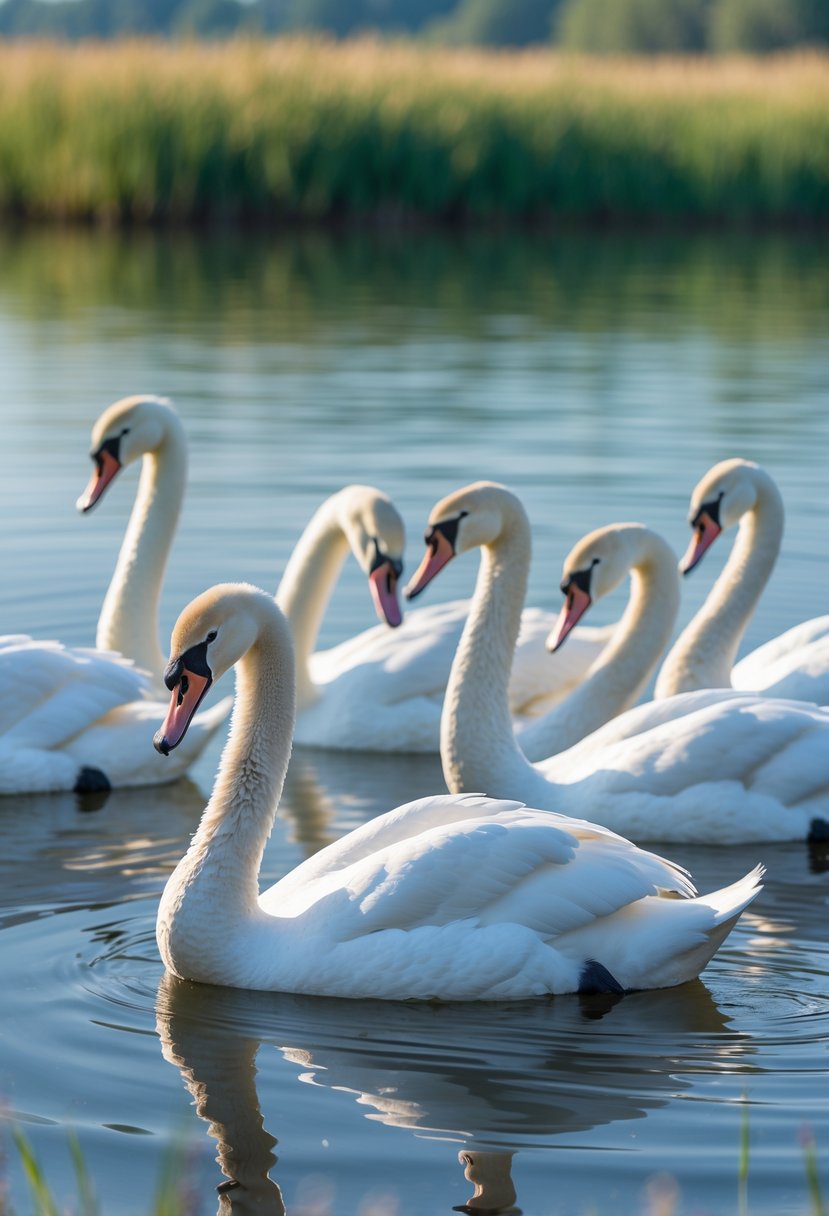
The Mute Swan has a long neck that curves into an elegant S-shape. This large white bird holds its neck gracefully while swimming and flying.
Adult Mute Swans measure 4-5 feet in length. They have bright orange bills with a black base and knob.
These swans live near ponds, lakes, and calm coastal waters. They use their long necks to reach aquatic plants in shallow water for food.
3) American White Pelican
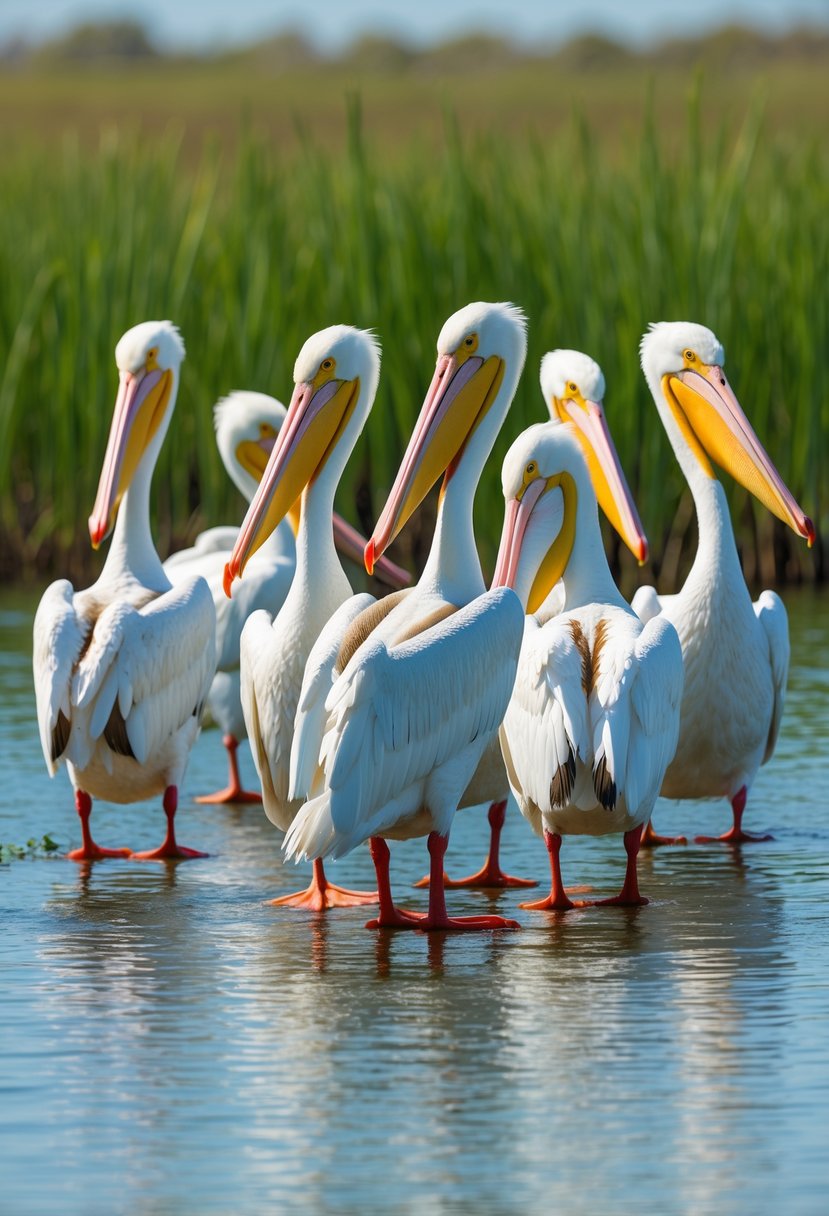
The American White Pelican is one of North America’s largest birds. It has a long neck that curves into an S-shape during flight.
These birds measure 4-6 feet long with wingspans reaching 8-10 feet. Their necks are long and flexible, helping them reach fish in shallow water.
American White Pelicans have bright white feathers and long orange bills. They feed by dipping their pouched bills into water while swimming, not by diving like brown pelicans.
4) Black-necked Stork
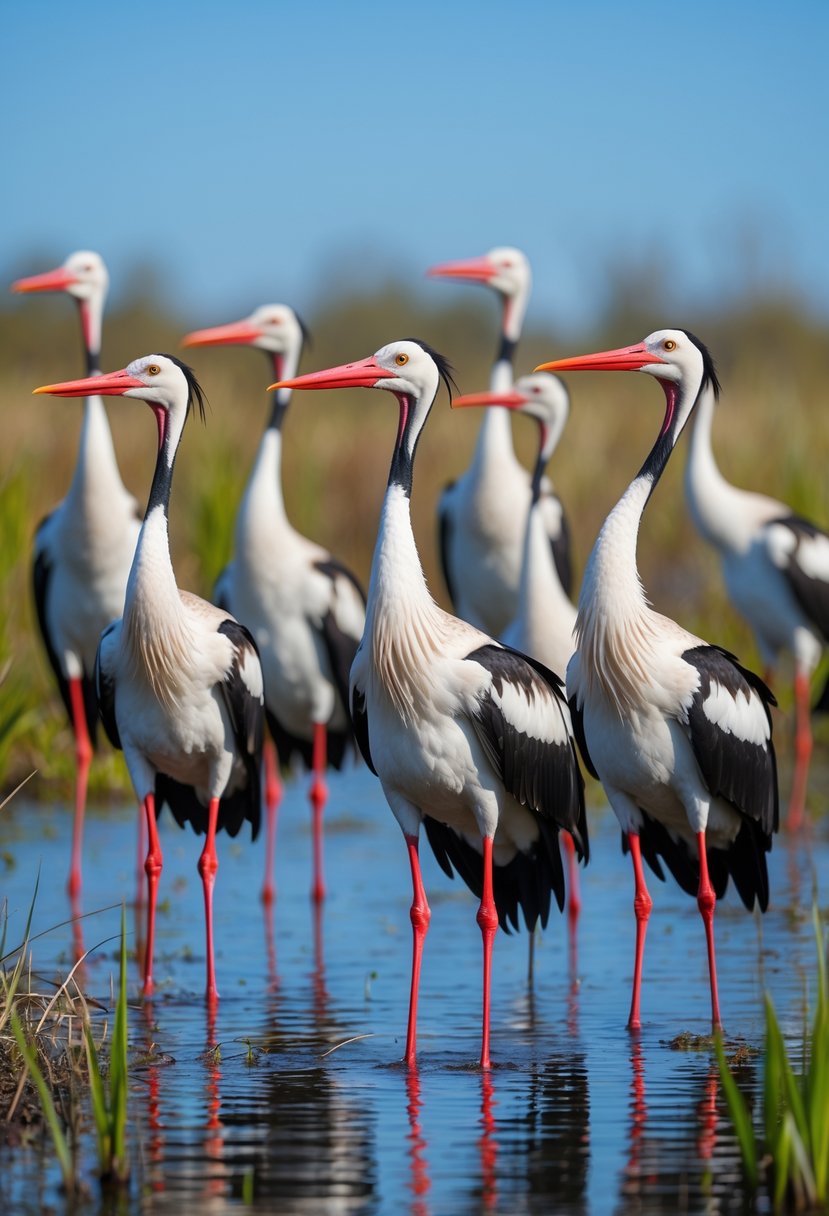
The Black-necked Stork stands 47 to 59 inches tall. It weighs between 8.4 to 9 pounds.
This large wading bird has a wingspan of 75 to 91 inches. Its black head and neck make it easy to identify.
The species lives across the Indian Subcontinent and Southeast Asia. A separate population exists in Australia.
Black-necked Storks prefer wetlands and shallow water areas. They use their long necks to hunt for fish and other prey.
These birds are territorial when feeding and breeding. They usually stay alone or in pairs.
5) Great Blue Heron
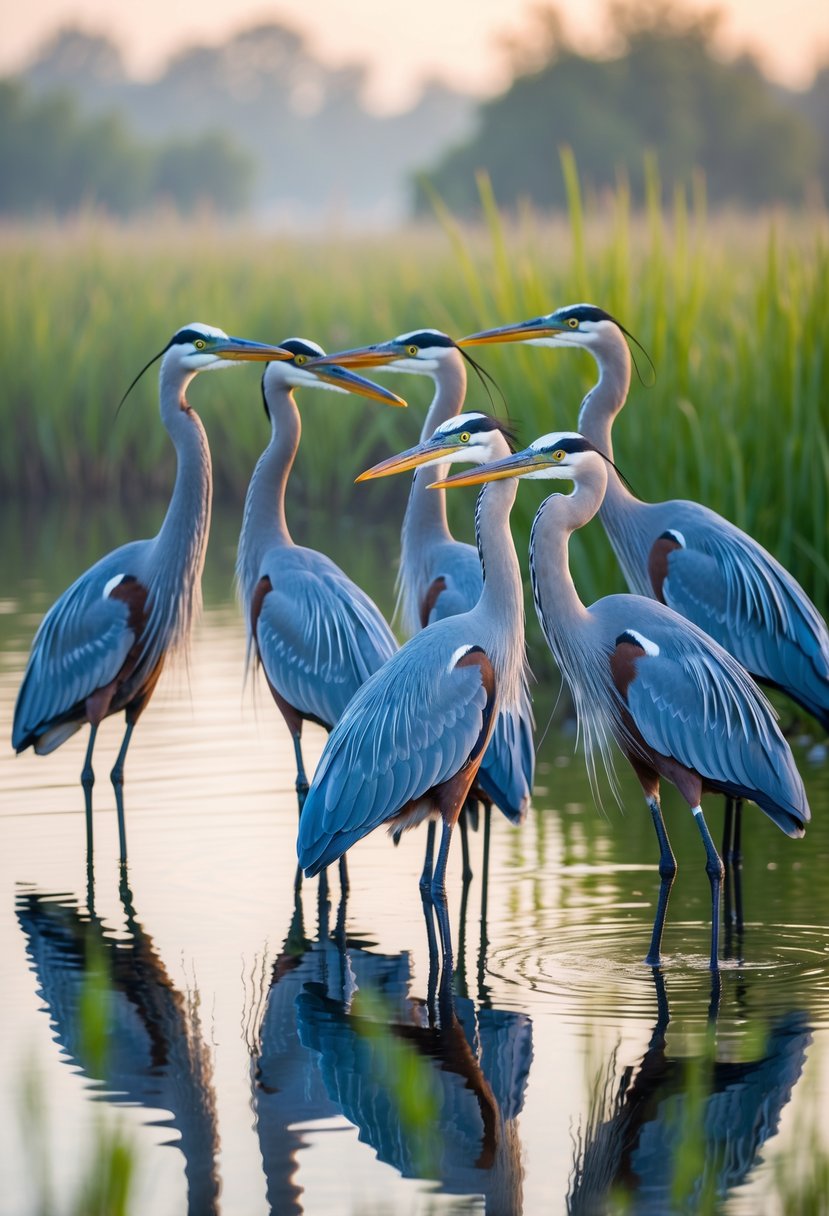
The Great Blue Heron stands as North America’s largest heron species. These birds measure 4-5 feet tall with wingspans reaching 6-7 feet.
Their long necks serve as powerful hunting tools. The neck contains a special long vertebra that acts like a hinge, allowing lightning-fast strikes at prey.
Great Blue Herons use their necks to catch fish, frogs, and small mammals in shallow water. They stand motionless before lunging forward with incredible speed and precision.
6) African Crowned Crane
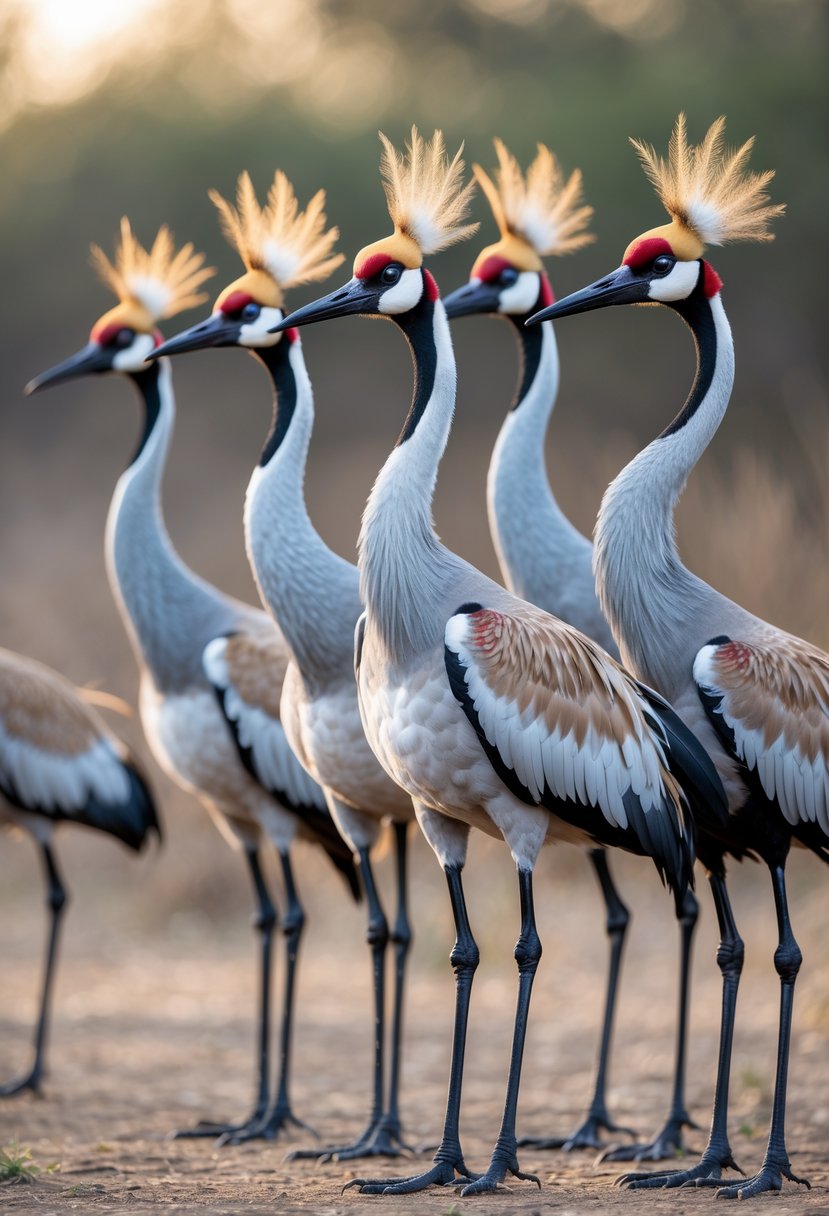
The African Crowned Crane stands three feet tall with a wingspan reaching six and a half feet. Its long neck and legs give it an elegant appearance.
This bird has a distinctive golden crown of feathers on its head. It also features bare red and white cheek patches that make it easy to identify.
African Crowned Cranes live in open grasslands and wetlands across sub-Saharan Africa. They use their long necks to spot predators in tall grass and search for food in shallow water.
7) Green Heron
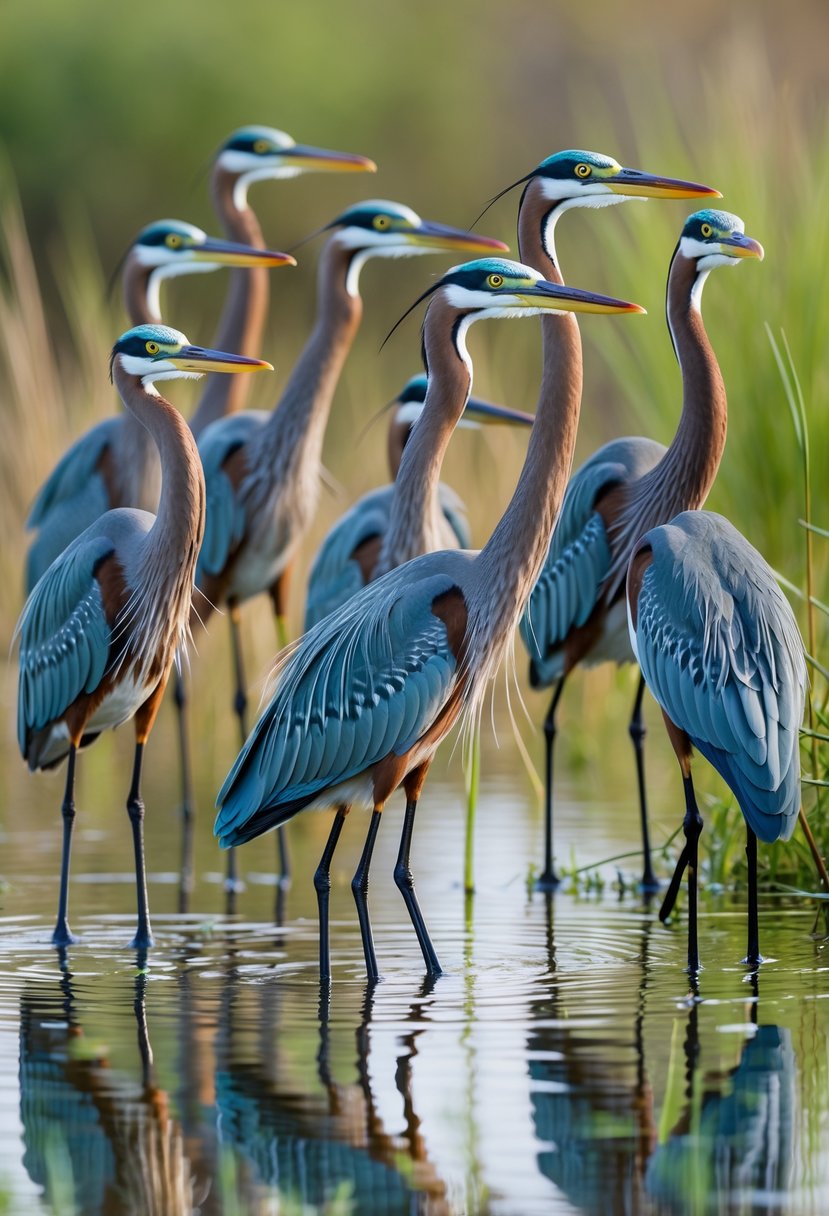
The green heron tricks many bird watchers at first glance. This small heron keeps its long neck tucked close to its body most of the time.
When resting or hunting, green herons look short and stocky. They appear much smaller than their heron cousins.
But green herons can extend their necks to surprising lengths. They reveal their true neck size when striking at fish or feeling threatened.
These compact birds measure 16 to 22 inches long. They use their hidden neck length to catch prey from perches along the water’s edge.
Physical Adaptations of Long-Necked Birds
Long-necked birds have special body features that help them survive. Their necks have more bones than other animals, and these extra bones help them reach food and move with balance.
The Role of Neck Length in Feeding
Birds with long necks have between 13 and 25 neck bones called cervical vertebrae. Most mammals only have 7 neck bones. The more neck bones a bird has, the longer its neck can be.
Long necks help birds catch different types of food. Water birds like herons use their long necks to strike quickly at fish below the surface. The extra reach lets them stay dry while hunting in shallow water.
Seed-eating birds with shorter necks cannot reach as far for food. But long-necked birds can bend and twist their necks to reach seeds and insects in hard-to-get places. This gives them more food choices.
The neck also helps birds clean their feathers. They can reach all parts of their body with their beaks when they have long, flexible necks. This keeps their feathers healthy for flying and staying warm.
Balance and Movement Mechanics
Long necks create balance challenges that birds must solve. When a bird’s head moves far from its body, it can tip over easily. Birds fix this problem by shifting their weight.
Wading birds use their long necks like a counterweight. When they lean forward to hunt, they move their neck and head to keep steady. Their long legs also help them stay balanced in water.
During flight, long-necked birds pull their necks back against their bodies. This creates a smooth shape that cuts through air better. It also keeps the heavy head close to the body’s center.
The extra neck bones let birds move their heads in many directions without moving their whole body. They can look around for danger while staying perfectly still. This helps them hunt and avoid predators at the same time.
Habitats and Geographic Distribution
Birds with long necks live in two main types of places. Most spend their time in wetlands where they hunt for fish and small animals. Others prefer open grasslands where they can spot danger from far away.
Wetlands and Aquatic Environments
Marshes and swamps provide the best homes for most long-necked birds. Great blue herons live in freshwater marshes across North America. They stand still in shallow water and use their long necks to catch fish quickly.
Coastal areas attract many species too. Great egrets hunt in saltwater marshes along both coasts of the United States. They also live in similar habitats across Europe, Asia, and Australia.
Lake shores and pond edges offer good hunting spots. Green herons prefer smaller bodies of water like ponds and slow-moving streams. These birds can be found throughout most of North America during breeding season.
Many wetland species travel long distances. Great blue herons that breed in Canada fly south to Mexico and Central America for winter. They follow major river systems during migration.
Open Plains and Grasslands
Prairie habitats support different types of long-necked birds. Sandhill cranes live in grasslands across western North America. They eat plants, insects, and small animals they find on the ground.
Agricultural fields also attract these birds. Sandhill cranes often feed in corn and wheat fields during fall migration. Farmers sometimes see large flocks in their harvested fields.
Savanna regions in other parts of the world host similar species. Secretary birds live in the grasslands of Africa. They hunt snakes and small mammals while walking through tall grass.
These open-area birds need space to spot predators. Their long necks help them see over tall grass and crops. Most build nests on the ground or in low shrubs.