12 Blue Birds in Ohio: Complete Guide to Species Identification and Habitats
Ohio offers excellent opportunities for spotting blue-colored birds throughout the year. The state’s diverse habitats, from forests and fields to wetlands and backyards, provide homes for many species that display beautiful blue plumage.
Eleven different species of blue birds can be found in Ohio, ranging from year-round residents like the Blue Jay to seasonal visitors such as the Indigo Bunting. These birds vary greatly in size, behavior, and habitat preferences. Some prefer woodland areas, while others thrive near water or in open grasslands, giving birdwatchers many chances to observe these striking creatures across different environments.
1) Eastern Bluebird
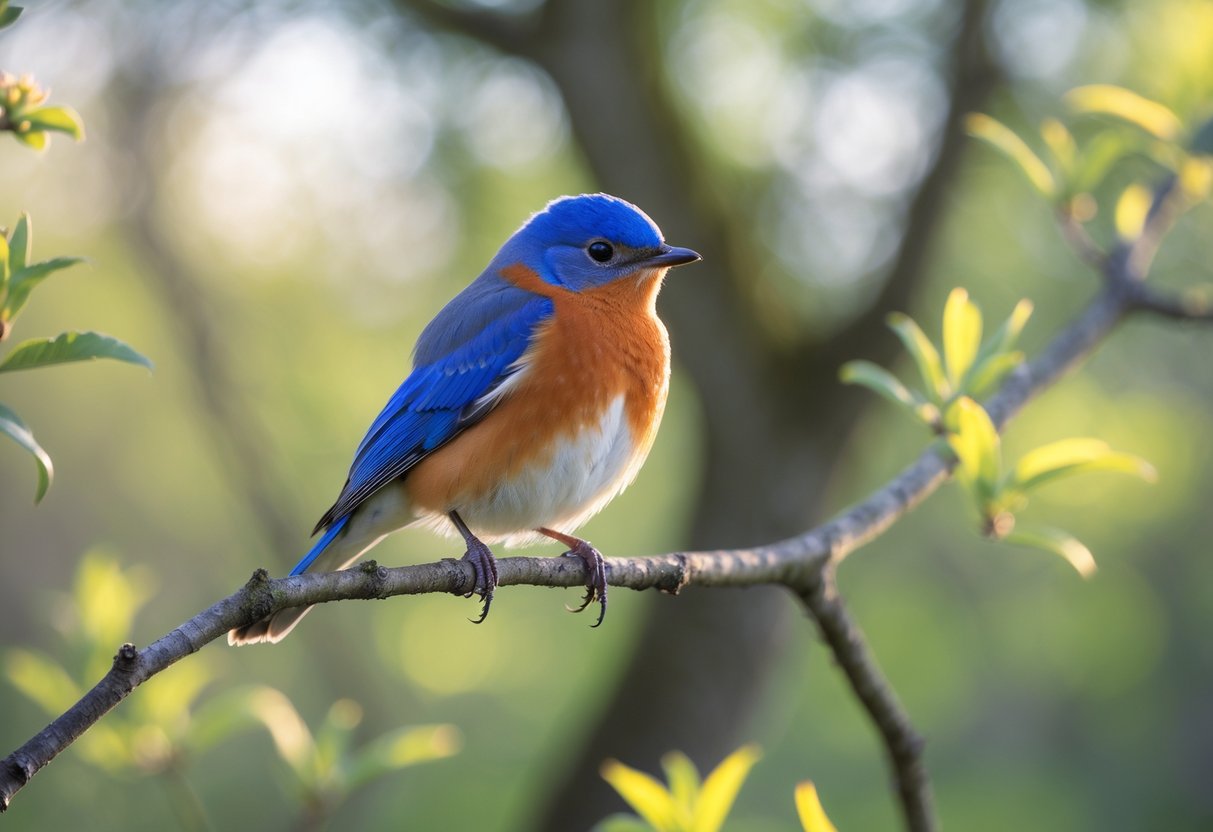
The Eastern Bluebird is Ohio’s most common bluebird species. It has bright blue upperparts and a rust-red chest.
These birds live in open spaces like meadows, fields, and parks. They also use golf courses and cemeteries as habitat.
Eastern Bluebirds eat insects during warm months. In winter, they switch to eating soft fruits when bugs are hard to find.
They nest in tree cavities or nest boxes. The breeding season happens during spring and summer in Ohio.
2) Indigo Bunting
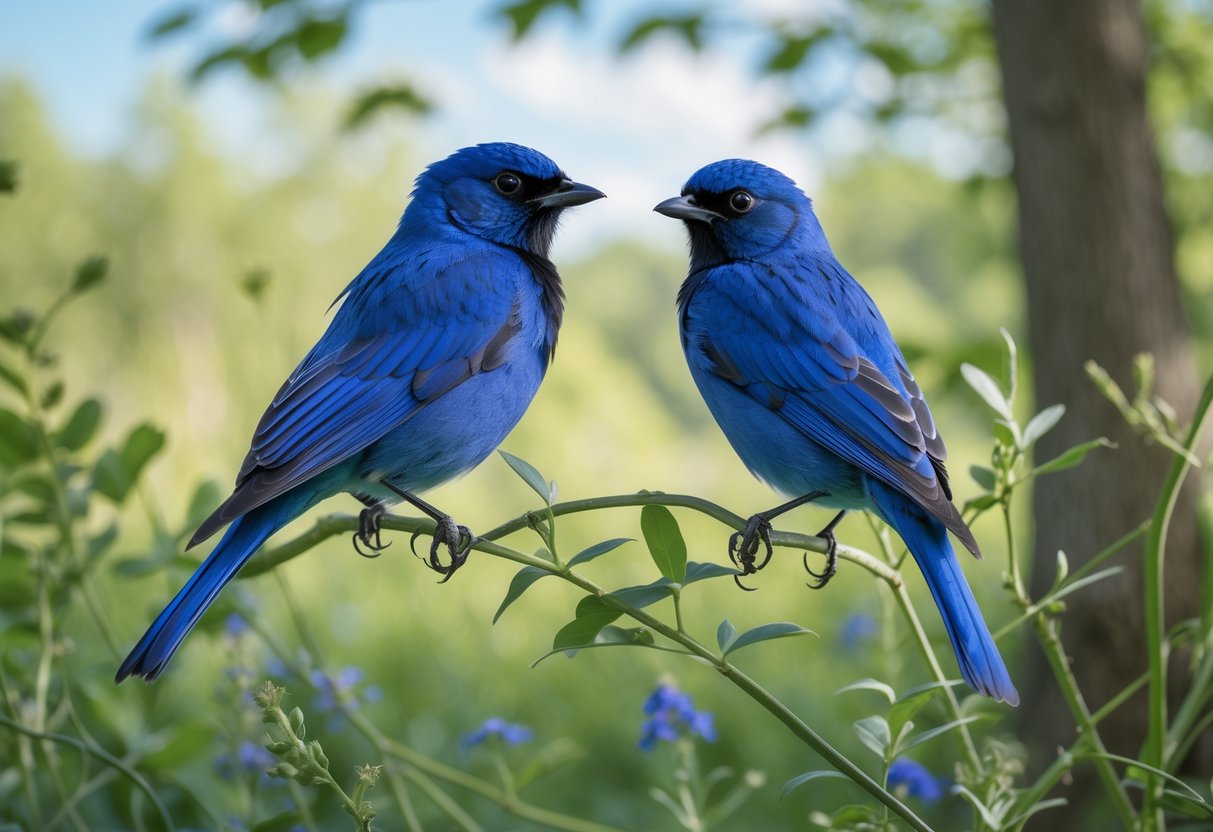
The Indigo Bunting is a small songbird that measures 4.5 to 5 inches long. Male birds display bright blue feathers during breeding season.
Female Indigo Buntings have brown plumage instead of blue. They are sometimes called Blue Canaries.
These birds breed in Ohio during summer months. Males sing loudly from treetops to attract mates.
Indigo Buntings prefer open woodlands and forest edges. They also visit areas near roads and water sources during breeding season.
3) Blue Jay
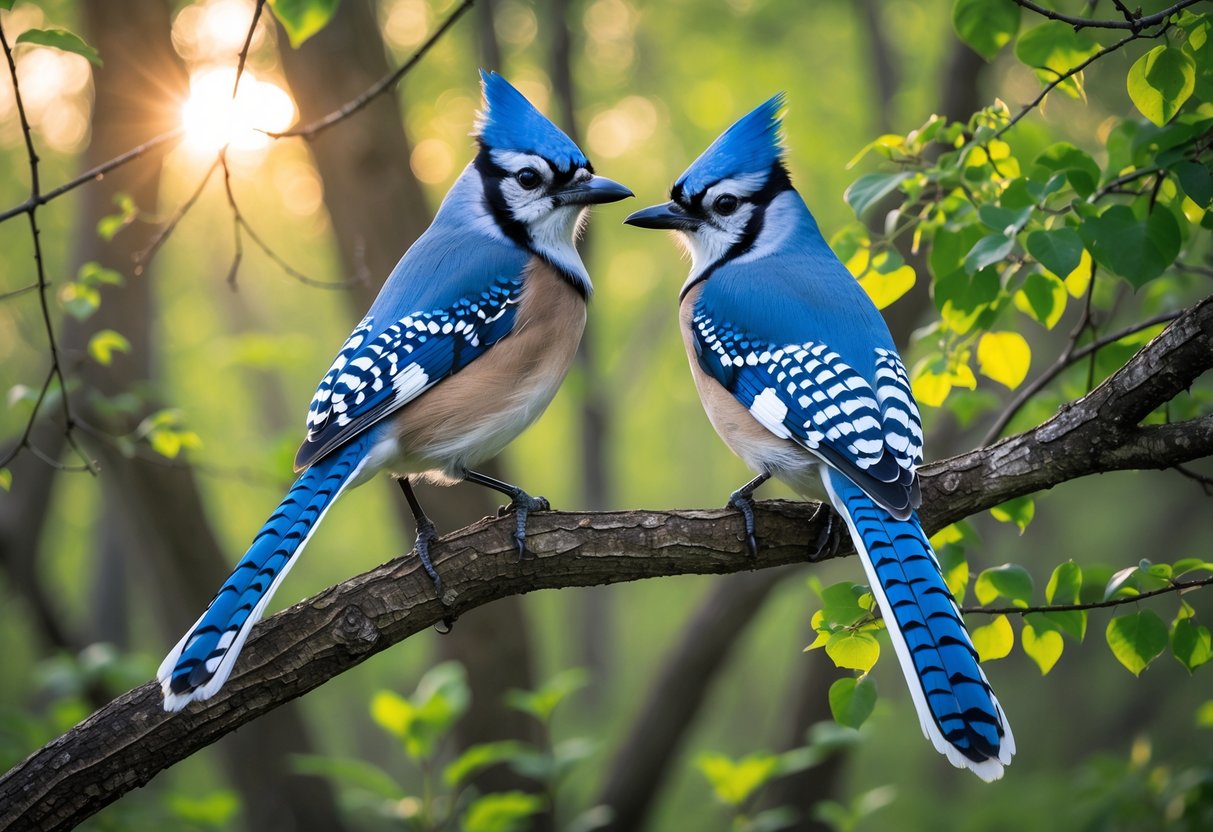
The Blue Jay is one of Ohio’s most common blue birds. These large songbirds live in the state year-round.
Blue Jays have bright blue crests on their heads. Their backs are blue and black while their bellies are white.
These birds belong to the crow family. They are smart and can be quite loud with their calls.
Blue Jays prefer open areas with scattered trees. They also live in forests, parks, and neighborhoods with trees.
4) Tree Swallow
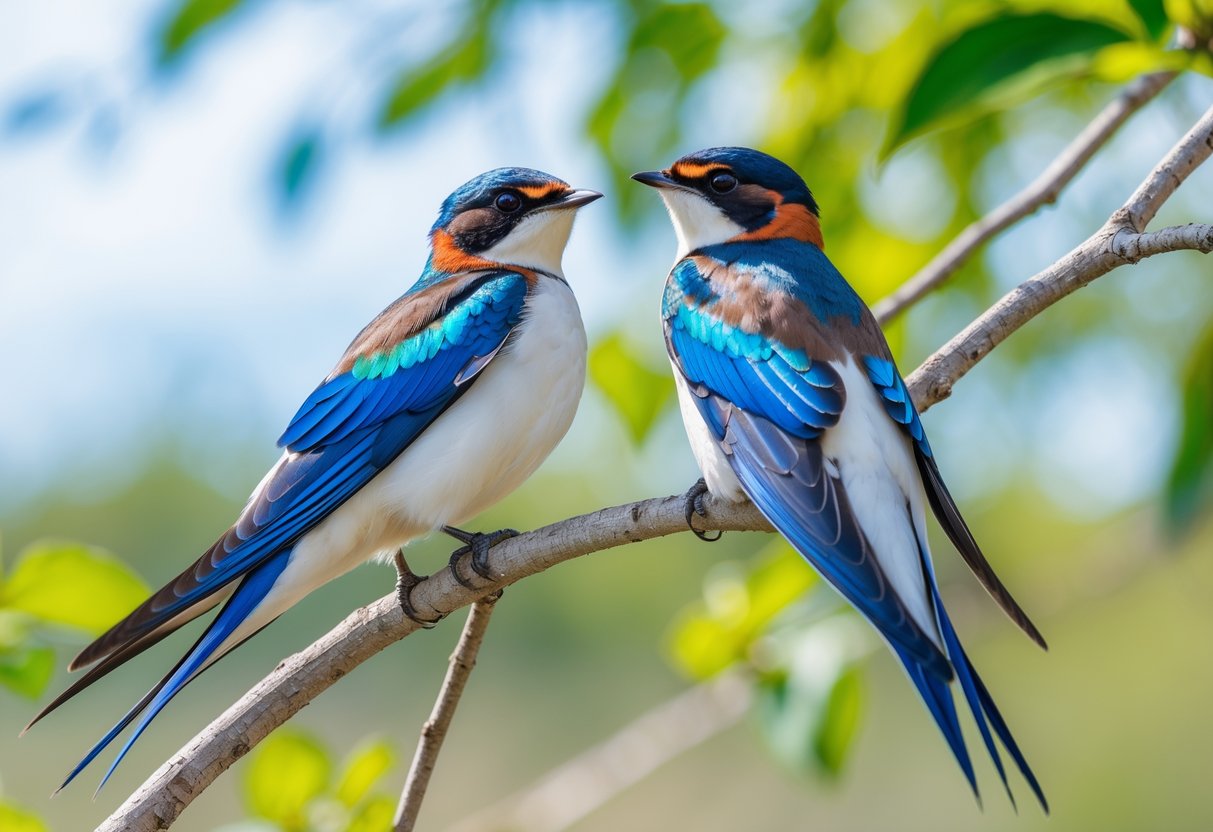
Tree Swallows are common summer birds in Ohio. They have bright blue-green feathers on top and white underneath.
These birds live near water like lakes and ponds. They also like open meadows and wetlands.
Tree Swallows nest in small holes. They use nest boxes made for bluebirds. They lay 2-8 eggs and raise their babies from May to September.
They eat flying insects while soaring through the air. Their fast flight makes them easy to spot over water.
5) Belted Kingfisher
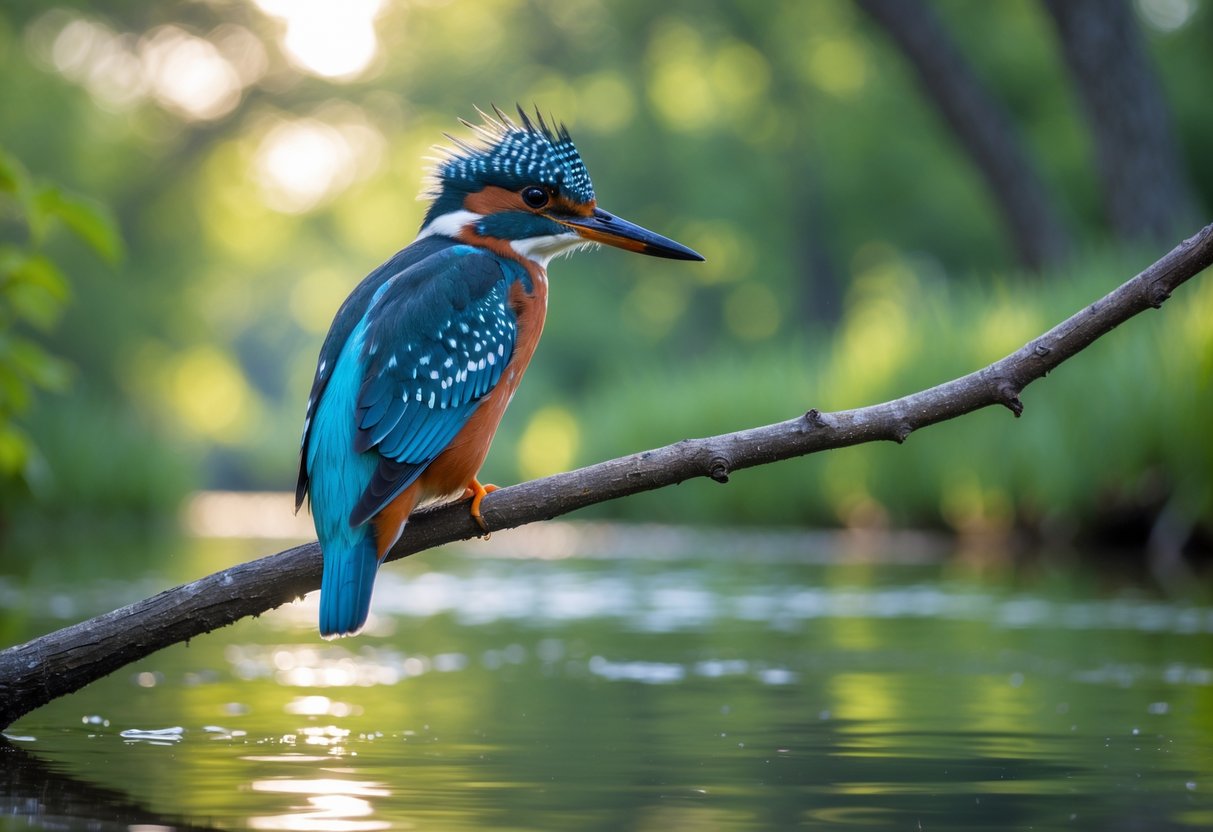
The Belted Kingfisher is Ohio’s only native kingfisher species. This stocky bird measures 11 to 14 inches long with a large head and shaggy crest.
Males display powder blue upperparts with white underparts and a single blue breast band. Females have an additional rusty band across their belly.
These birds live near rivers, lakes, and wetlands throughout Ohio. They hunt by diving headfirst into water to catch fish and crayfish.
Belted Kingfishers make loud rattling calls while flying along shorelines. They stay in Ohio year-round when open water remains available.
6) Cerulean Warbler
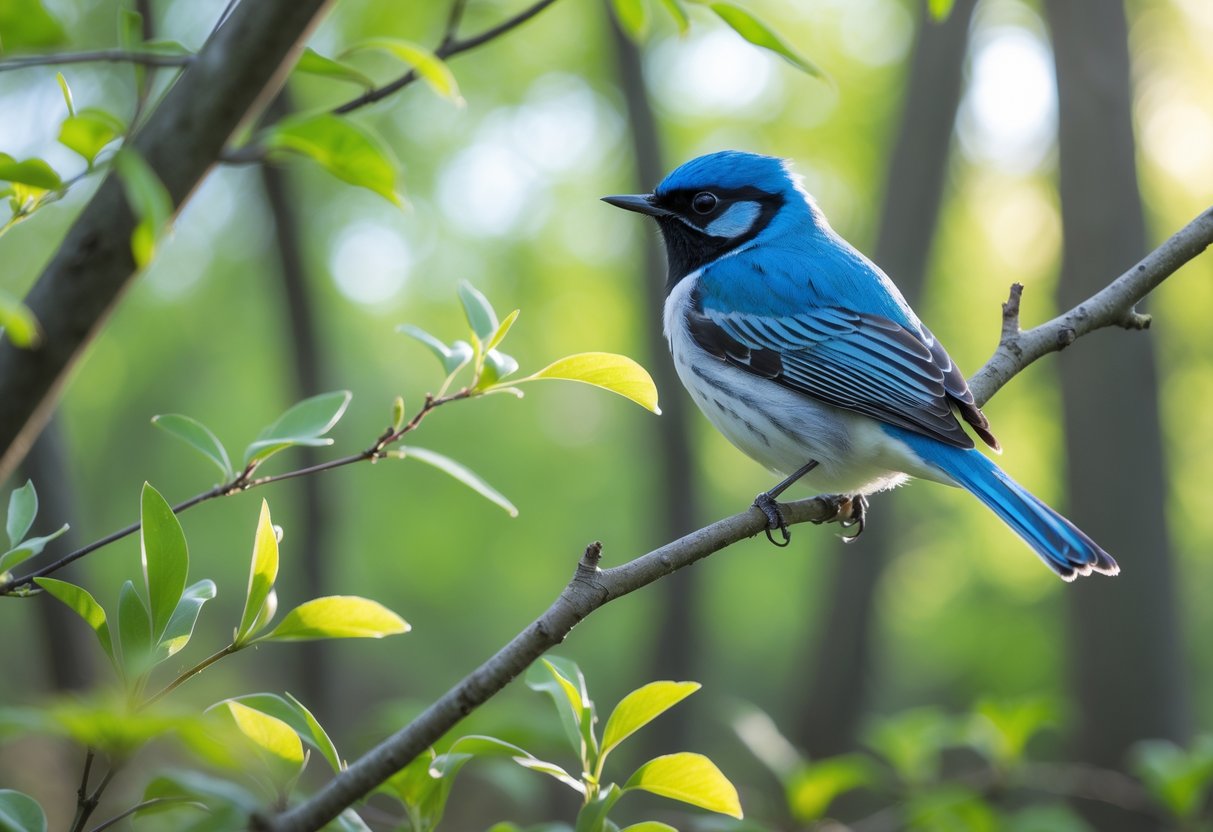
The Cerulean Warbler displays bright blue coloring that matches a clear sky. Males show brilliant blue feathers with a dark neck band and side streaks.
Females wear duller blue-green colors. Both sexes are small songbirds that migrate long distances.
These warblers breed in mature deciduous forests across eastern North America. They prefer tall tree canopies where they hop and feed.
Cerulean Warblers face population declines in Ohio. Habitat loss threatens their numbers throughout their range.
7) Blue-gray Gnatcatcher
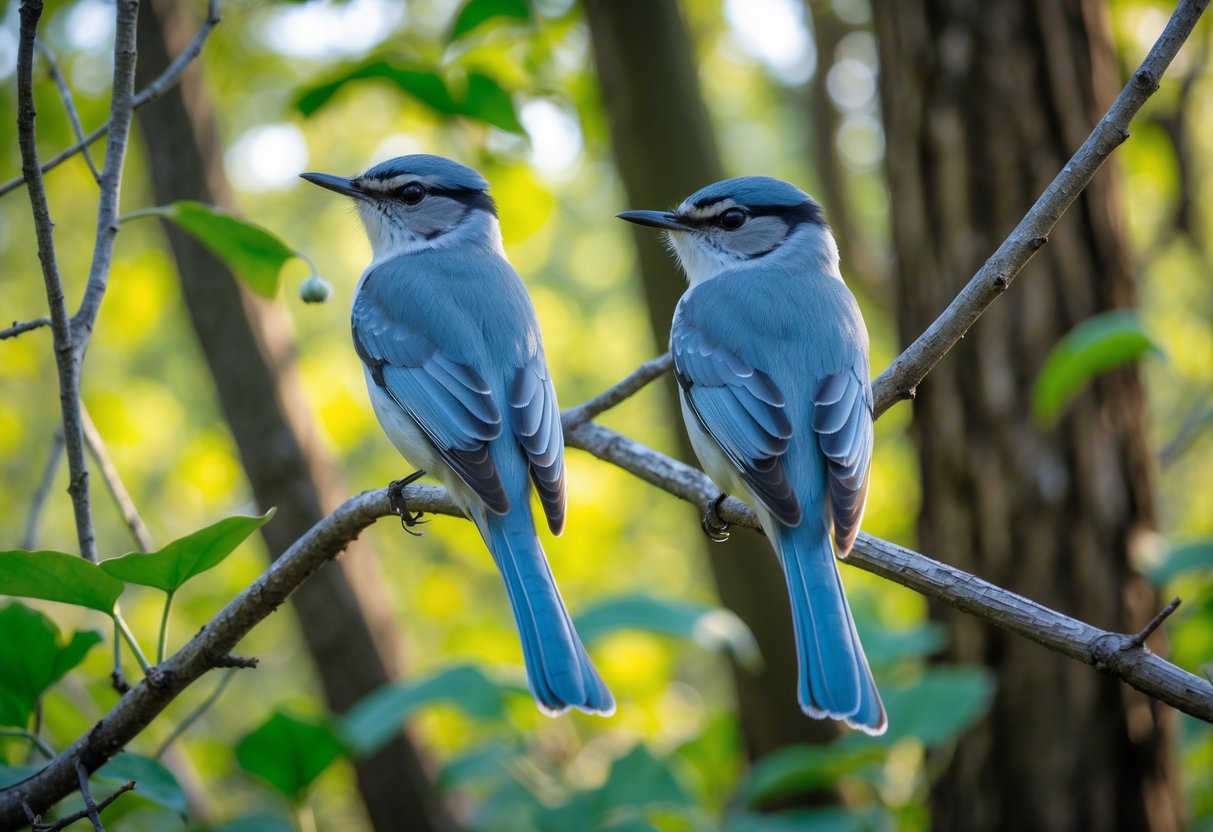
The Blue-gray Gnatcatcher is a tiny bird found in Ohio’s forests and scrublands. Males have blue-gray coloring with white neck bands.
This small bird has a long tail with white edges. It constantly flicks its tail from side to side while moving through trees.
Blue-gray Gnatcatchers eat small insects and gnats. They catch their prey in mid-air while hopping through dense foliage.
These birds make soft squeaky calls as they move. They arrive in Ohio during May and stay through August before migrating south for winter.
8) Wood Duck
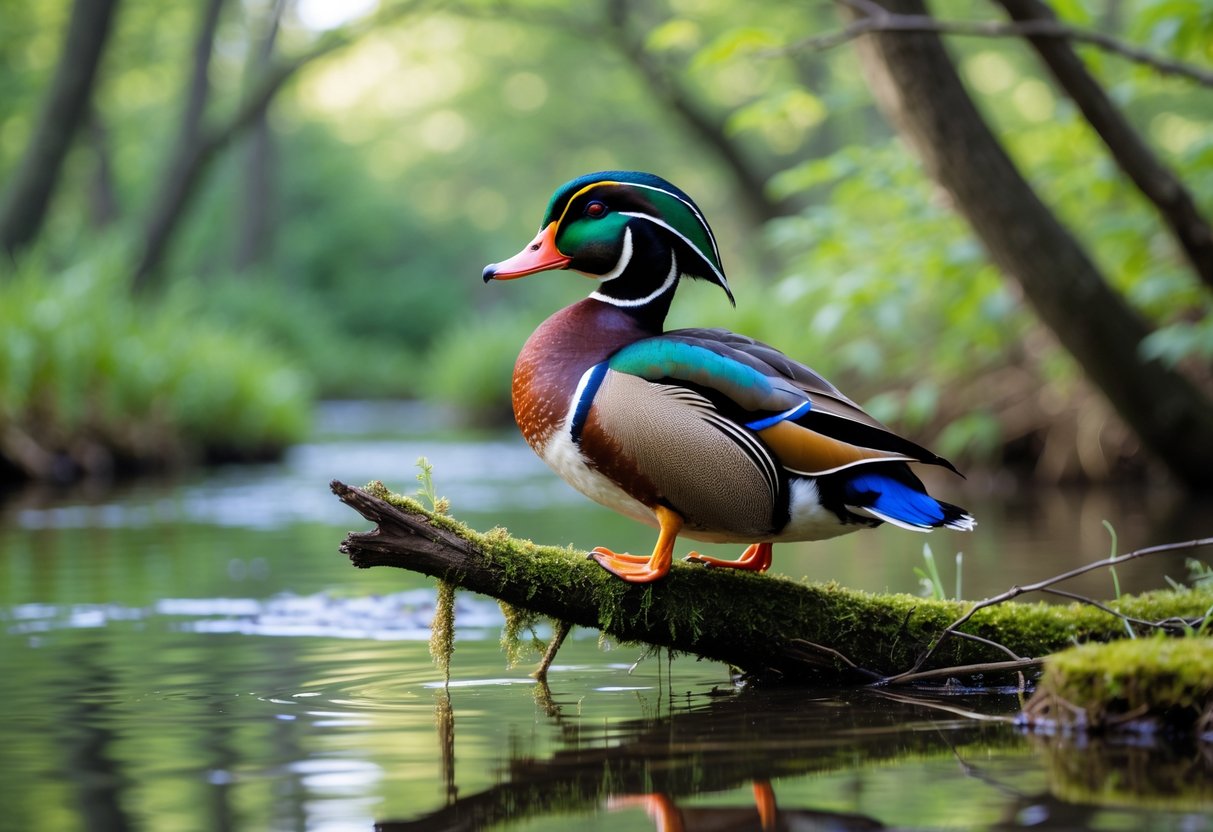
The Wood Duck displays stunning blue and purple colors on its back. Males show metallic blue or purple plumage that shimmers in sunlight.
This duck’s back feathers create beautiful color patterns. The blue tones mix with other bright colors across the male’s body.
Wood Ducks live near wooded wetlands throughout Ohio. They nest in tree cavities close to water sources.
The male’s colorful plumage makes it one of Ohio’s most beautiful ducks. These blue-backed ducks are year-round residents in the state.
9) Common Loon
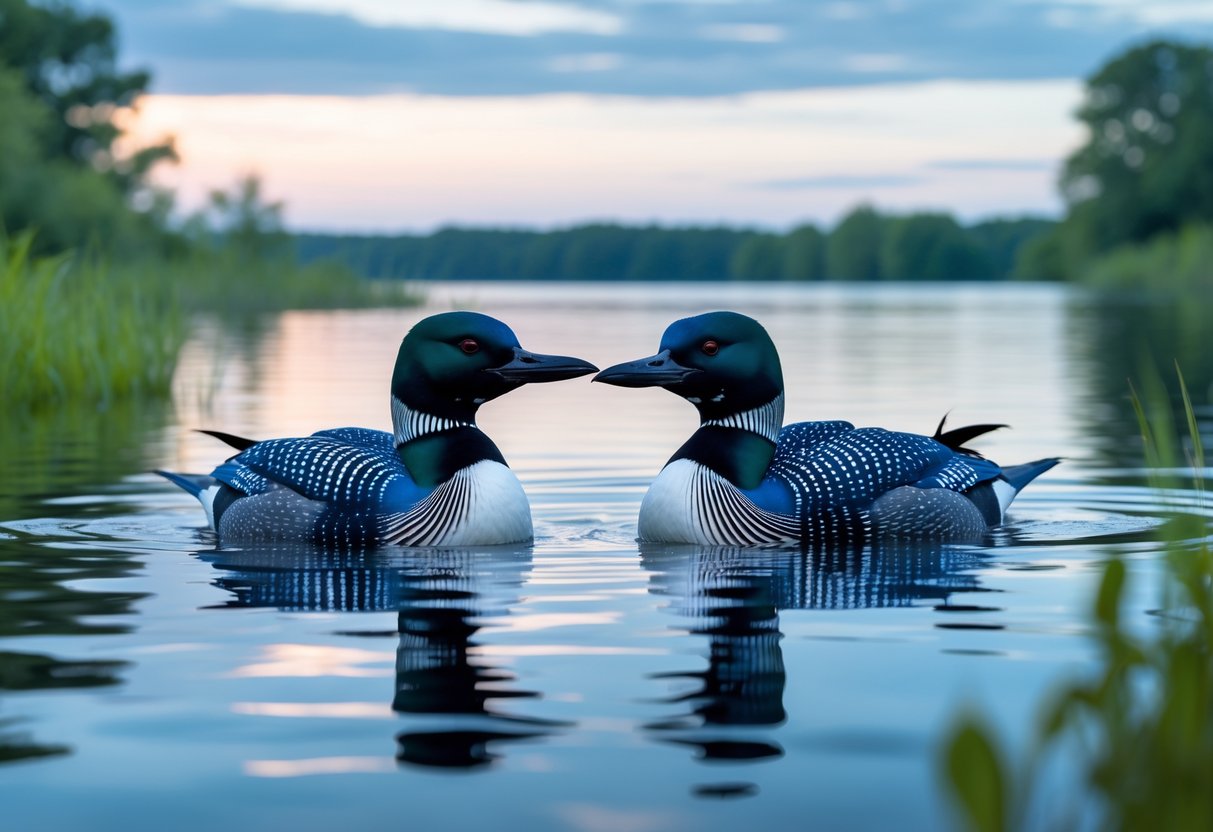
The Common Loon displays striking black and white plumage during breeding season. Its back shows a checkered pattern with bold white spots.
This large waterbird has a sleek, streamlined body built for diving. It can stay underwater for several minutes while hunting fish.
Common Loons are rare visitors to Ohio waters. They appear mainly during migration in spring and fall on larger lakes and reservoirs.
Their distinctive wailing call carries across water for miles. This haunting sound makes them easy to identify even from a distance.
10) Great Blue Heron
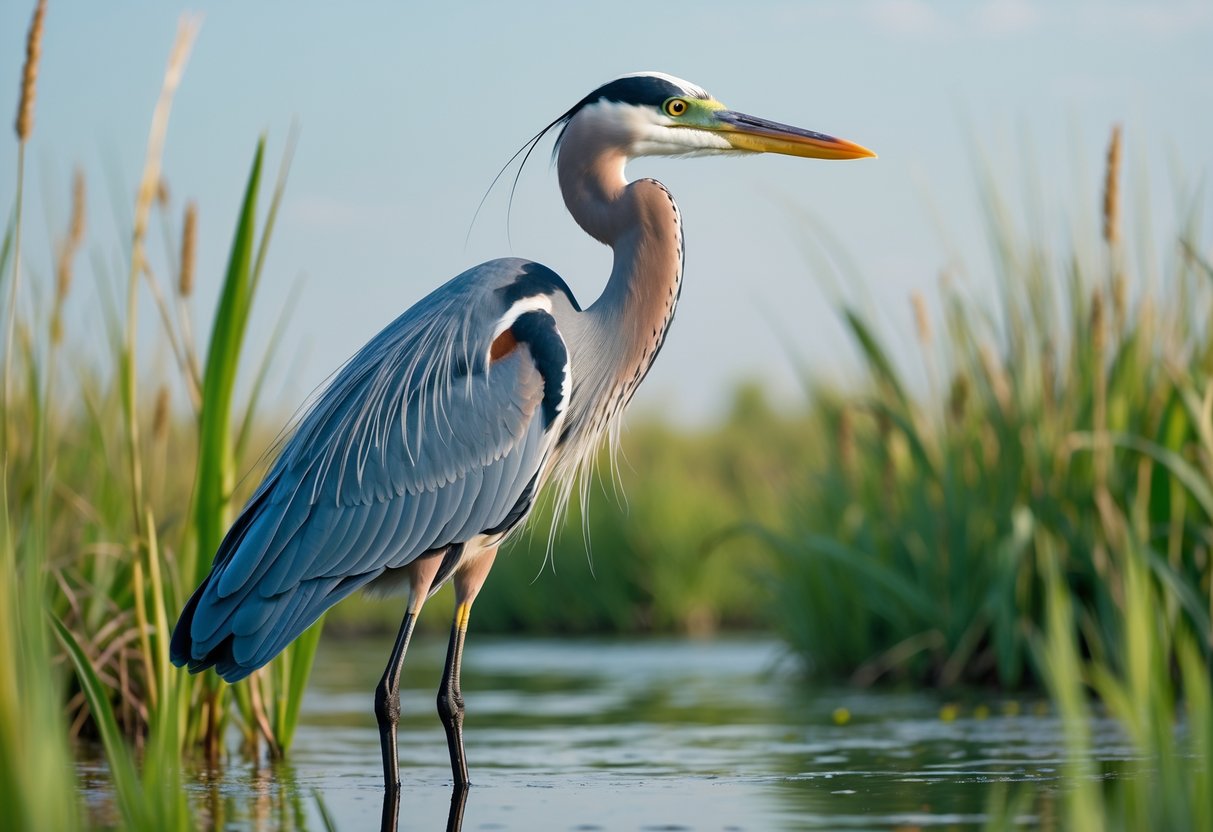
The Great Blue Heron is Ohio’s largest and most common heron species. These impressive birds stand over 4 feet tall with blue-gray feathers.
They have long legs and a dagger-like bill. A white face with black stripes makes them easy to identify.
Great Blue Herons can be found near rivers, lakes, and wetlands throughout Ohio. They hunt by standing motionless in shallow water waiting for fish.
These birds nest in groups called rookeries. Their wingspan reaches up to 6 feet wide.
11) Blue Grosbeak
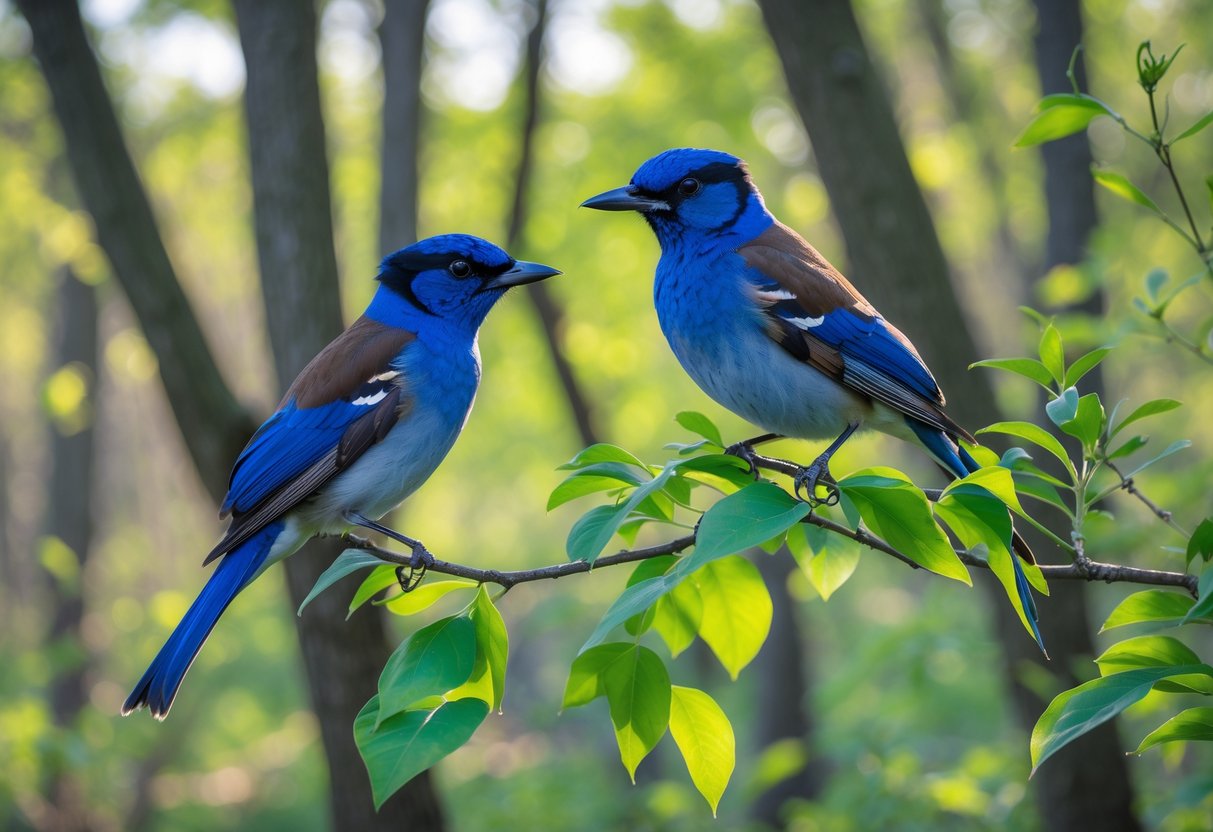
The Blue Grosbeak is a medium-sized songbird in the cardinal family. Males show deep blue feathers with rusty wing bars and a thick gray bill.
Females look very different. They have brown and orange coloring instead of blue.
These birds were once rare in Ohio. Now they appear more often in southern parts of the state.
Blue Grosbeaks like areas with thick shrubs and brush. They build cup-shaped nests in tall trees and dense vegetation.
They will visit bird feeders that offer sunflower seeds.
12) Common Grackle
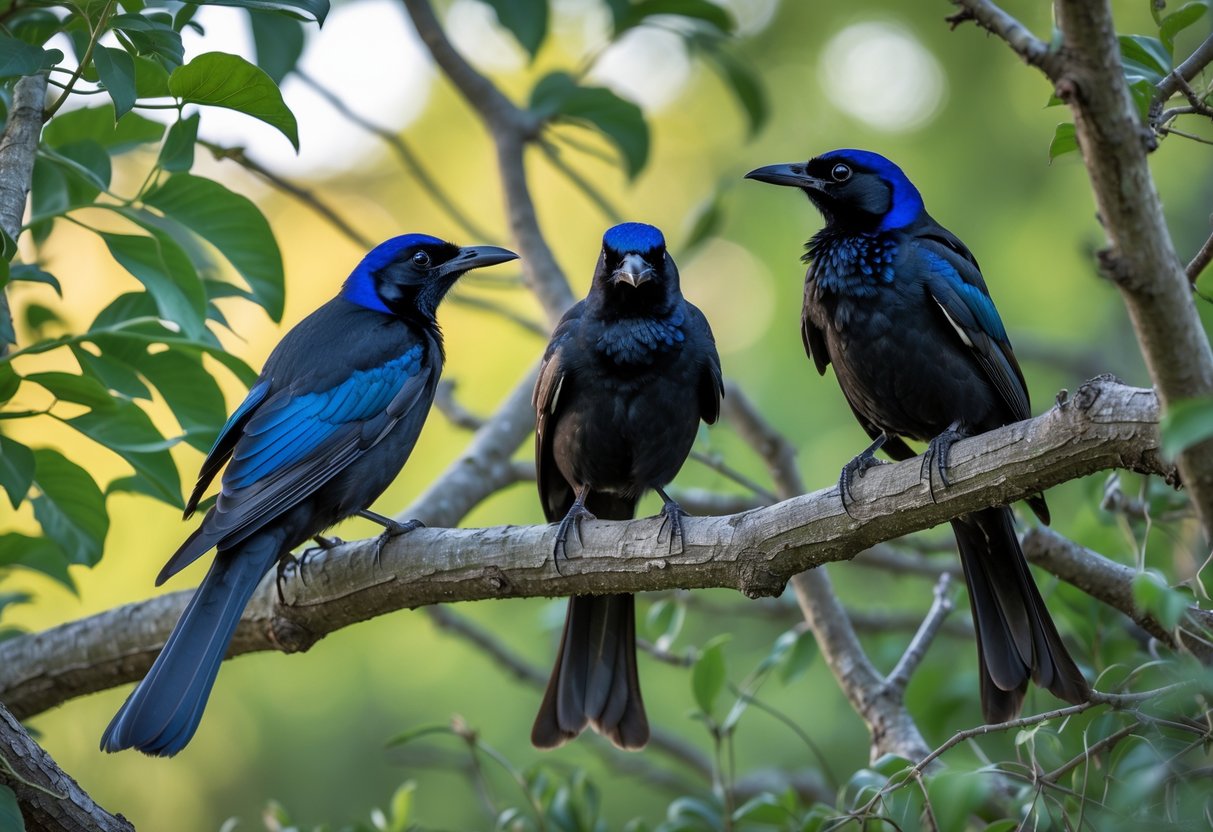
The Common Grackle is a large blackbird that measures 11 to 13 inches long. Males have black feathers with bronze bodies and iridescent blue-purple heads. Their bright yellow eyes make them easy to spot.
These birds have long, flared tails that help tell them apart from other blackbirds. Females look similar but are smaller with less shine to their feathers.
Common Grackles live in Ohio year-round. They gather in large flocks in parks, fields, and wetlands throughout the state.