Gulls of the Isle of May: A Struggle for Survival Amid Changing Habitats
Across the grey skies of the North Sea, the sharp cries of gulls echo endlessly. Yet behind these familiar calls lies a powerful story of survival. A new study by the British Trust for Ornithology (BTO) has revealed how three gull species – the great black-backed gull, the lesser black-backed gull, and the herring gull – are adapting to a world where food is becoming increasingly scarce.
GPS Technology Reveals Their Hidden Journeys
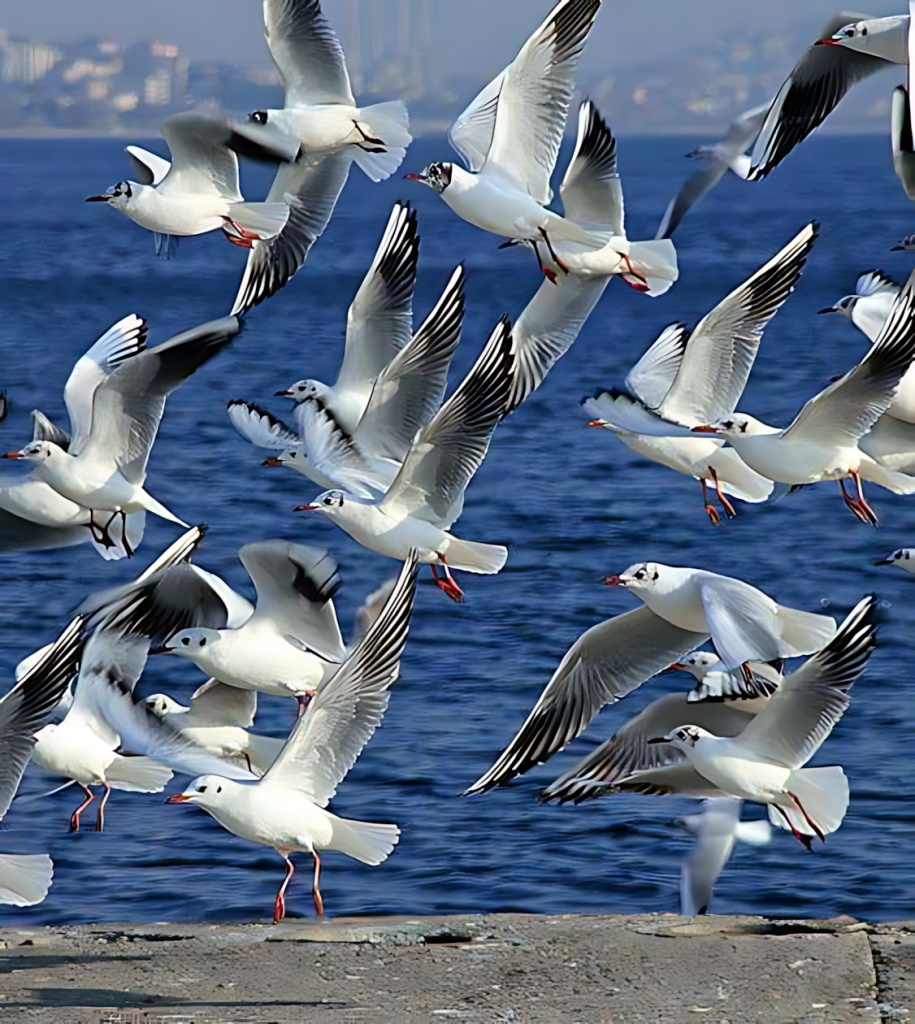
Researchers fitted tiny GPS trackers on nesting gulls of the Isle of May, off Scotland’s east coast. The data revealed their foraging “survival maps” and highlighted how each species finds its meals differently:
- Great black-backed gulls – the giants of the gull world – stayed close to the colony. Their size gives them the strength to dominate smaller rivals.
- Herring gulls, familiar sights along harbors and seaside towns, also remained fairly local, foraging at ports and landfill sites.
- Lesser black-backed gulls, however, proved to be true wanderers. They often ventured far inland, soaring over farmland in search of food, while still visiting coasts and landfills.
Fewer Meals, Fiercer Competition
The study confirms gulls are flexible, but human-driven environmental change is pushing them to the edge. With fewer discarded fish from boats and tighter landfill management, easy meals are disappearing. Gulls are now being forced into “lower-quality habitats” – places with poor nutrition and greater competition.
“We know gulls can be adaptable, but not every food source meets their needs. When forced into suboptimal habitats, they may struggle to feed their chicks or face heavier competition,” explains Dr. Nina O’Hanlon, Senior Research Ecologist at BTO Scotland.
Why This Research Matters
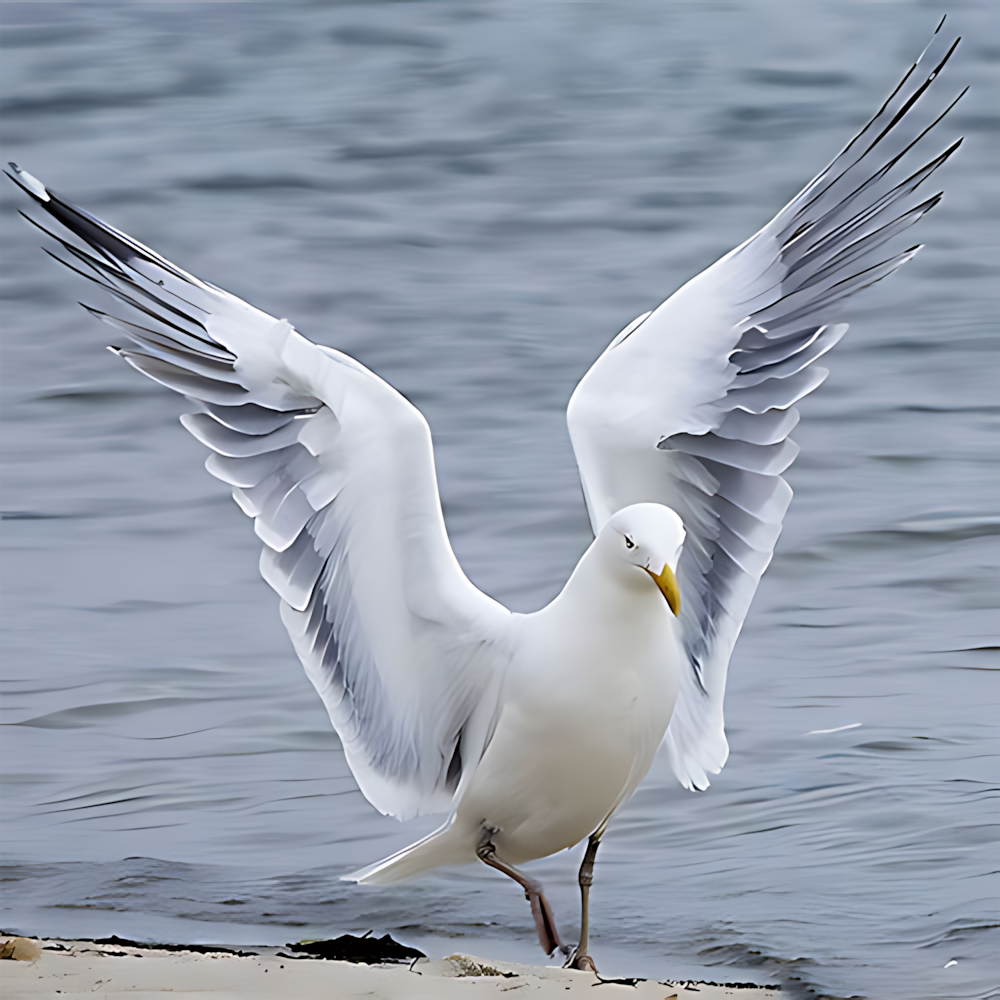
The gulls’ story on the Isle of May is more than just a fascinating snapshot of seabird ecology. It’s a mirror of how wildlife is battling to adjust to human-made change. Understanding their foraging behavior not only helps protect these threatened species but also guides us in managing the delicate balance between humans and wildlife.
👉 Conclusion: Every gull’s cry above Scotland’s rugged coast is more than just the soundtrack of the sea – it’s a reminder of the fragility of nature. Protecting the skies for these seabirds means preserving a vital spirit of the ocean itself.