Squirrel Cuckoo — The Acrobat of the Canopy
A Flash of Chestnut in the Trees
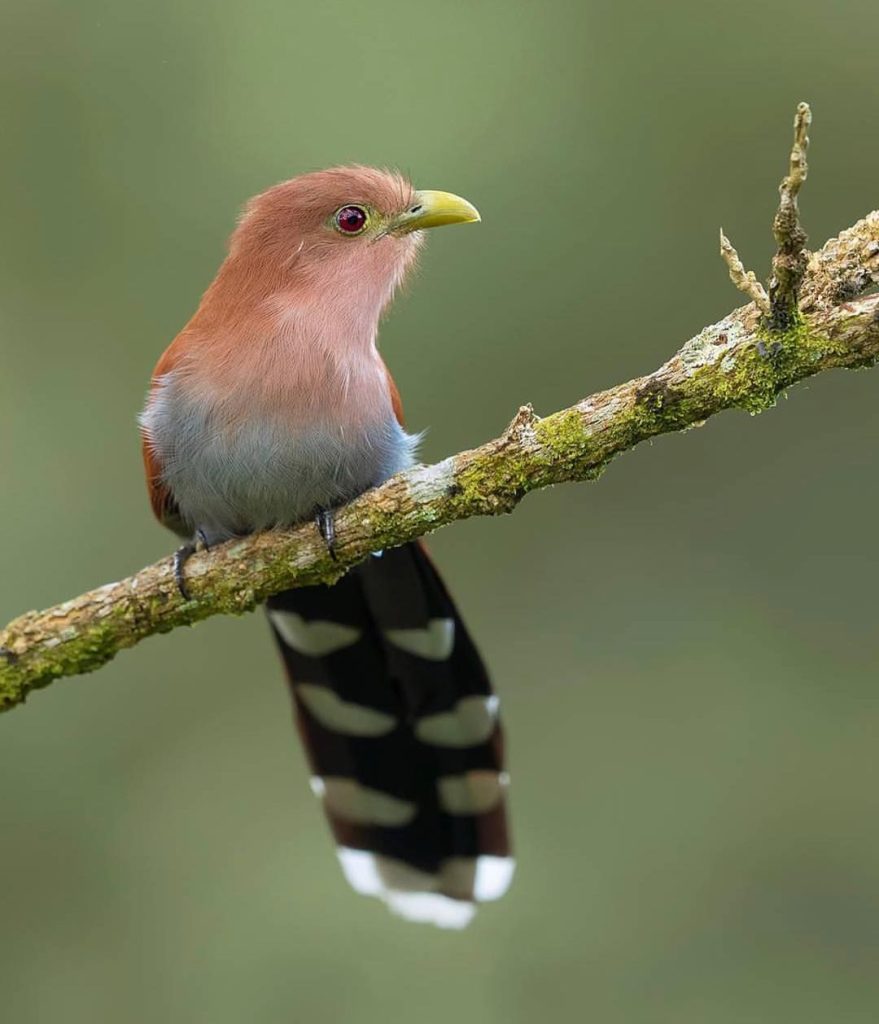
In the tropical forests of the Americas, from the lush rainforests of Mexico to the lowland woodlands of Argentina, a flash of chestnut darts through the branches. With a body nearly half a meter long and a tail so long it seems to float behind like a streamer, the Squirrel Cuckoo (Piaya cayana) is impossible to ignore. Its white-tipped tail feathers, chestnut plumage, and lively antics make it one of the most charismatic cuckoos of the New World.
Acrobat of the Treetops

This bird earns its unusual name from its squirrel-like agility. Instead of flying in straight lines, the Squirrel Cuckoo often bounds, leaps, and clambers along branches, chasing insects with surprising speed. It balances with its oversized tail, twisting and turning through the canopy like a seasoned acrobat. Observers are often struck not only by its appearance but also by its playful, almost mammal-like movements that bring energy to the forest’s upper layers.
A Cuckoo That Cares for Its Young
Unlike many of its relatives, the Squirrel Cuckoo does not practice brood parasitism. Instead of leaving eggs in the nests of others, it builds its own home from twigs and leaves, carefully raising its chicks. This independence makes it unusual among cuckoos and adds to its reputation as a dedicated parent.
A Bold and Varied Diet
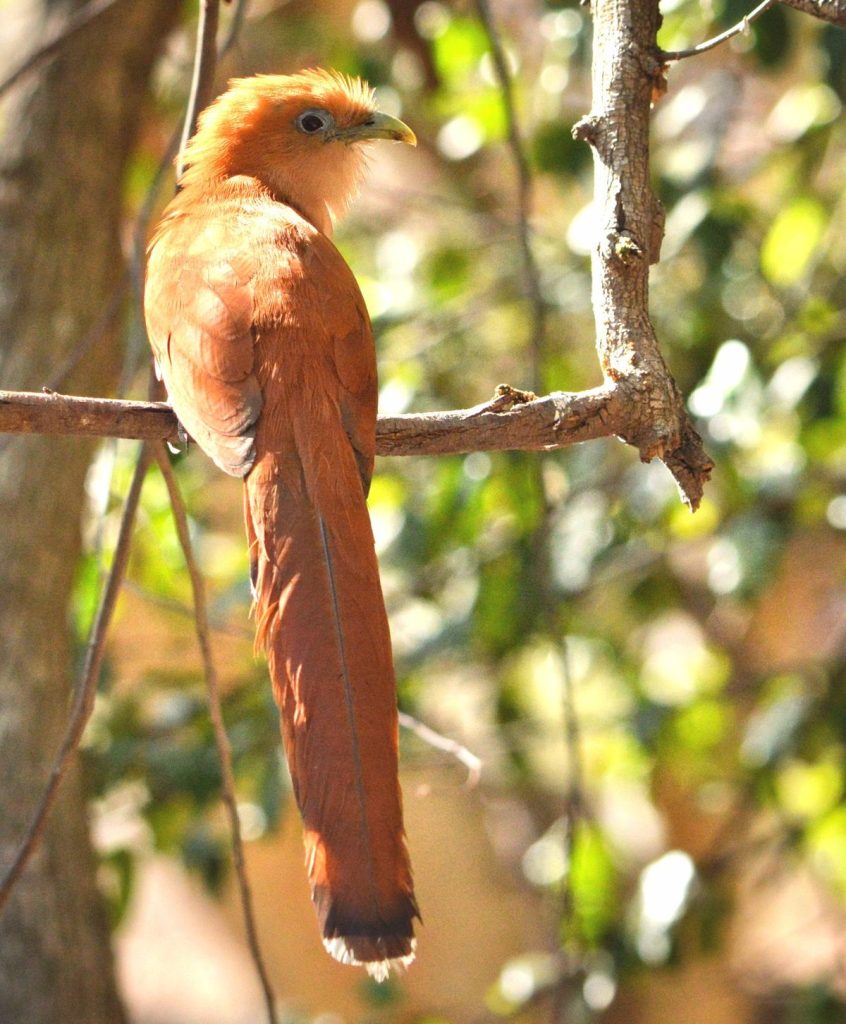
The Squirrel Cuckoo is a generalist feeder, consuming a wide array of prey. Large insects like grasshoppers, cicadas, and caterpillars form the bulk of its diet. Remarkably, it tackles hairy caterpillars that most other birds avoid, helping control insect populations that could otherwise damage vegetation. It also takes small lizards, proving its adaptability as a hunter. In this way, the cuckoo is not only a performer but also a caretaker of the forest ecosystem.
Voice of the Canopy
Part of the bird’s charm lies in its distinctive voice. Its loud, repetitive call echoes across the canopy, a familiar background sound for anyone living within its vast range. Whether in the dense rainforest or at the edge of gardens and open woodlands, its calls mark territory, signal presence, and add to the rich soundscape of tropical life.
A Master of Many Habitats
Few birds embody adaptability as well as the Squirrel Cuckoo. While it thrives in humid rainforests, it is equally at home in dry forests, wooded savannas, and even suburban gardens. This ability to adjust to diverse habitats explains its success across such a wide geographic span. For people living in rural or semi-urban areas, it is often one of the most recognizable large birds of the treetops.
A Closing Reflection
The Squirrel Cuckoo is both an entertainer and a guardian. With its flowing tail, squirrel-like leaps, and acrobatic movements, it captivates the human eye. Yet beneath the show lies a deeper role: maintaining balance in tropical ecosystems by consuming pests and raising its own young. To glimpse one bounding through the branches is to witness a performance that blends elegance with ecological purpose — a reminder that even the most playful dancers of the forest play essential roles in keeping the canopy alive.